Lately, there's been a huge uptick in demand for better food storage options. You know, like those Pouch Bags For Food? Turns out, the global market for these pouches is expected to hit around $8 billion by 2025, according to ResearchAndMarkets. It makes sense — as folks are really into keeping their food fresh and easy to handle, pouch bags have become a pretty popular choice. They’re super versatile, helping to extend how long your food stays good, plus they let customers see what's inside at a glance. Thanks to new materials and sealing tech, these bags are now pretty much a must-have across different industries—whether you're in retail or running a foodservice business.
Dr. Emily Carter, who's actually a big name in Food Packaging tech, mentioned that “Pouch bags for food don’t just keep things fresh longer, but they also meet the rising demand for eco-friendly options.” Basically, they’re good at doing two things at once — preserving food quality and helping protect the environment by using recyclable stuff. As we dig into the different types of pouch bags out there, what foods they’re best for, and some tips to pick the right ones, it’s pretty clear that being knowledgeable about your options is key to keeping food fresh and storage hassle-free.
Understanding Pouch Bags: Types and Materials for Food Storage
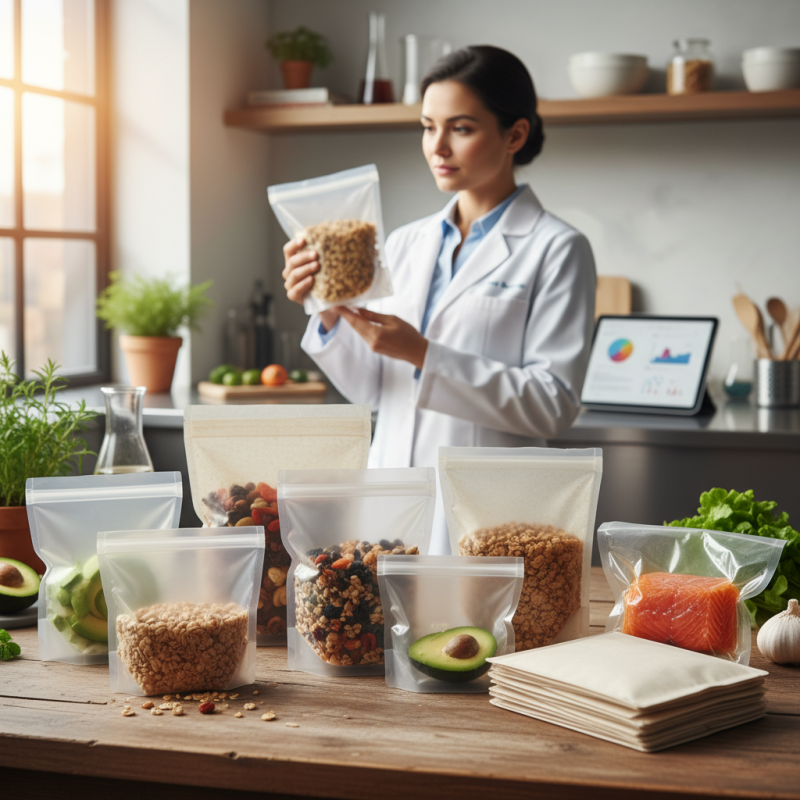
When selecting pouch bags for food storage, it's essential to understand the various types and materials available in the market. Pouch bags are primarily designed to preserve the freshness of food items while providing convenience for storage and transportation. Common types include stand-up pouches, flat pouches, and vacuum-sealed bags, each serving distinct purposes. Stand-up pouches are popular for dry goods and snacks, as they can easily stand on shelves and offer visibility of contents. Flat pouches, on the other hand, are ideal for liquids and can be sealed tightly to prevent leaks, making them suitable for soups and sauces. Vacuum-sealed bags are designed to remove air and extend shelf life, making them perfect for meats and perishable items.
When it comes to materials, the choice often impacts durability and preservation quality. Most pouch bags are made from multi-layered films that combine plastic with aluminum or other barrier materials to protect against moisture, light, and oxygen, all of which can compromise food freshness. BPA-free plastic options offer a safe choice for food storage, ensuring that no harmful chemicals leach into the contents. Additionally, eco-friendly materials such as biodegradable plastics are becoming increasingly popular, catering to environmentally conscious consumers. Understanding these types and materials helps consumers make informed decisions on the best pouch bags for their specific food storage needs, ensuring that freshness is maintained effectively.
Factors to Consider When Choosing Pouch Bags for Freshness
When selecting pouch bags for food storage and freshness, several key factors should be considered to ensure optimal preservation. First, it’s essential to evaluate the material of the pouch. Options range from plastic to foil, each offering varying degrees of barrier protection against moisture, air, and light. Foil pouches, for instance, provide superior barrier properties, making them ideal for sensitive items like herbs and spices. Conversely, lightweight plastic pouches may be suitable for everyday snacks or less perishable foods.
Another important consideration is the pouch's sealing method. Heat seals are commonly used to create airtight closures, which are vital for maintaining the quality and taste of the stored food. Ziploc-style resealable pouches offer convenience for products that may not be consumed all at once, allowing users to access their food while maintaining freshness. Additionally, think about the size and shape of the pouch. Opt for sizes that accommodate your storage needs while being practical for your fridge or pantry space. Ultimately, choosing the right pouch bags involves a balance between material, sealing technology, and utility to maximize food freshness and minimize waste.
Evaluating the Seal and Closure Mechanisms of Pouch Bags
When selecting pouch bags for food storage, the seal and closure mechanisms play a crucial role in ensuring the freshness and longevity of the contents. Numerous types of seals are available, including zipper closures, heat seals, and press-to-seal options. Each type offers different advantages and disadvantages in terms of convenience and effectiveness. Zipper closures, for instance, provide a user-friendly experience and can be resealed multiple times, which is ideal for items that are accessed frequently. On the other hand, heat seals offer a more tamper-proof solution, making them suitable for long-term storage.
In addition to the type of closure, the quality of the seal is paramount. A poorly sealed pouch can lead to air and moisture infiltration, which compromises food quality. It’s essential to consider the material of the pouch as it directly affects the seal's integrity. Many food storage pouches are now made from multi-layer materials that provide stronger seals and enhanced barrier properties against environmental factors. Evaluating the durability of the seal in real-life scenarios—such as through stress tests and temperature variations—can also help consumers make informed choices. Ultimately, paying attention to the seal and closure mechanisms will ensure that food stays fresh and safe for consumption.
Assessing Size and Capacity Needs for Food Storage
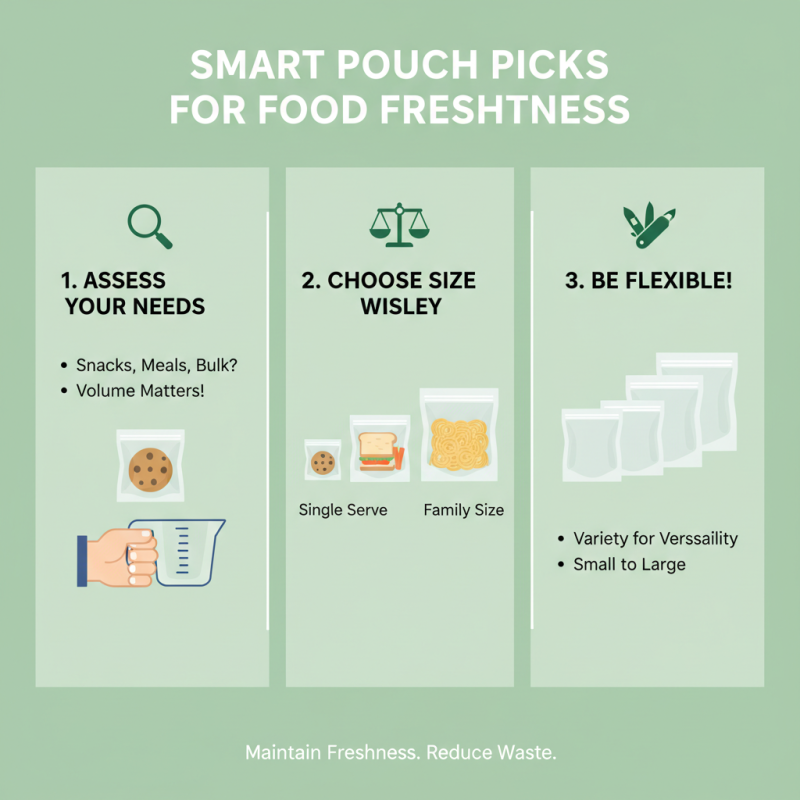
When selecting the best pouch bags for food storage, assessing size and capacity needs is crucial for maintaining food freshness. Start by evaluating the types of foods you typically store. Whether you’re dealing with snacks, meal preps, or bulk items, understanding the volume of your food will guide you in choosing the right pouch size. Opting for various sizes can be beneficial, allowing for flexibility in storage — from individual portions to larger family-sized servings.
**Tips:**
When measuring your food items, consider leaving some extra space in the pouch for vacuum sealing or air removal. This not only enhances preservation but also helps prevent any accidental spills during storage. Additionally, think about the frequency with which you access these bags. If you frequently retrieve items from storage, larger pouches may save you time, reducing the need to open multiple smaller bags.
Another aspect to consider is how much space you have in your pantry or freezer. Choose pouch bags that ensure a clean and organized storage system, these should stack or sit neatly together. This makes it easier to maintain freshness while also maximizing the usability of your storage space. Look for adjustable or resealable options that can accommodate varying quantities of food without sacrificing their efficacy.
Comparing Reusability and Environmental Impact of Pouch Bags
When selecting the best pouch bags for food storage, it is crucial to consider their reusability and environmental impact. A recent study by the Environmental Protection Agency (EPA) indicated that single-use plastics contribute significantly to the estimated 35 million tons of plastic waste generated annually in the United States alone. The increase in environmental awareness is pushing consumers toward more sustainable alternatives, such as reusable pouch bags. Unlike traditional plastic bags, which can take hundreds of years to decompose, many pouch bags are designed to be reusable and can significantly reduce waste when used in place of disposable options.
In terms of environmental impact, reusable pouch bags can dramatically lower the carbon footprint associated with food storage. Research published by the World Wildlife Fund suggests that using reusable bags can reduce greenhouse gas emissions by up to 68% compared to single-use plastic bags over their lifecycle. Furthermore, many pouch bags are made from materials that are either recyclable or biodegradable, aligning with the growing trend of eco-conscious consumerism. By investing in high-quality, reusable pouch bags, consumers not only promote their own food freshness and organization but also contribute to a broader effort to minimize the ecological impact of plastic waste.
Tips for Proper Use and Maintenance of Pouch Bags
When selecting pouch bags for food storage, proper use and maintenance are crucial for preserving freshness and extending the shelf life of contents. According to industry reports, approximately 30% of food is wasted due to improper storage methods. Therefore, using high-quality pouch bags that are designed to create a vacuum seal can help reduce this waste significantly. When sealing your foods, ensure that the opening of the pouch is clean and free from moisture to achieve a robust seal, which is essential for maintaining freshness.
Regular maintenance of pouch bags is equally important. It is recommended that users inspect their bags for any signs of wear or damage before each use. Research indicates that compromised seals can lead to air infiltration, which may allow bacteria to grow, spoiling the food inside. To prolong the lifespan of pouch bags, wash them according to the manufacturer’s guidelines—usually using mild soap and warm water—and allow them to dry completely before storing. By following these simple tips, users can ensure that their pouch bags remain effective and can significantly contribute to better food preservation practices.
Popular Brands and Products for Food Storage Pouch Bags
When it comes to food storage, choosing the right pouch bag is crucial to maintaining freshness and extending the shelf life of your products. Recent industry reports indicate that the food packaging sector is expected to grow significantly, with a projected market size of over $450 billion by 2025. This surge reflects the increasing consumer demand for convenient and effective food storage solutions. Popular pouch bags vary in material and design, so understanding the options available can make a significant difference in food preservation.
When selecting food storage pouch bags, consider those made from high-quality, BPA-free materials. These pouches not only prevent contamination but also provide an airtight seal, which is essential for keeping food fresh longer. According to the Food Packaging Association, using vacuum-sealed pouches can extend the shelf life of perishables by three to five times compared to traditional packing methods. As a tip, always check for resealable features; they allow you to regain access to your food without compromising its integrity.
Additionally, look for pouches that offer additional attributes, such as durability and resistance to punctures or leaks. A study by the Packaging Innovation Group highlights that the right packaging can reduce food waste by up to 30%, making efficiency and sustainability key factors in your choice. To maximize effectiveness, aim for pouches that are transparent enough to easily identify contents while still providing a protective barrier against light and moisture.
2025 How to Choose the Best Pouch Bags for Food Storage and Freshness
| Pouch Type | Material | Best For | Capacity (Liters) | Seal Type | Microwave Safe | Price Range |
| Stand-Up Pouch | Plastic | Dry Snacks | 1.0 - 2.0 | Zip Lock | Yes | $5 - $15 |
| Vacuum Seal Pouch | Nylon | Meats and Fish | 0.5 - 1.5 | Vacuum Seal | Yes | $20 - $30 |
| Reusable Silicone Pouch | Silicone | Fruits and Vegetables | 0.7 - 1.0 | Zip Lock | Yes | $10 - $25 |
| Biodegradable Pouch | PLA | Snacks and Grains | 0.5 - 1.0 | Zip Lock | No | $15 - $35 |
| Flat Pouch | Polyethylene | Dry Ingredients | 1.0 - 3.0 | Heat Seal | Yes | $3 - $10 |
Enhancing Electronic Component Longevity: Insights from Industry Reports on ESD Antistatic Aluminum Foil Bags and Moisture Barrier Solutions
In the ever-evolving landscape of electronic components, ensuring longevity is paramount. Industry reports highlight the significance of packaging solutions, particularly ESD (Electrostatic Discharge) antistatic aluminum foil bags and moisture barrier solutions. These materials are designed to protect sensitive electronics from external elements that could severely compromise their performance and lifespan. The combination of effective moisture and ESD protection is essential, especially during prolonged storage or transportation, where exposure to humidity and static electricity can lead to irreversible damage.
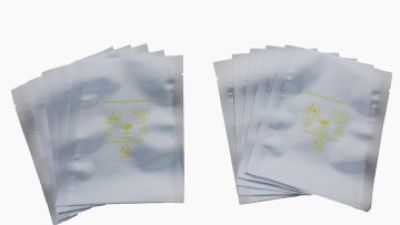
One of the standout solutions in this field is the moisture-proof vacuum bag, often referred to as aluminum foil bags or aluminum-plastic composite vacuum bags. These bags are produced using high-quality raw materials and advanced automatic assembly lines, ensuring consistent quality and durability. They are equipped with a moisture-proof logo that signifies their effectiveness, and they exhibit six key functions: they are anti-static, resistant to electromagnetic interference, moisture-proof, high barrier, and exhibit excellent puncture resistance along with comprehensive protection against water and oxygen. Such features make them ideal for safeguarding valuable electronic components against environmental threats, ultimately enhancing their reliability and performance over time.
FAQS
: Common types of seals include zipper closures, heat seals, and press-to-seal options. Each type has its own advantages and disadvantages regarding convenience and effectiveness.
The quality of the seal is crucial because a poorly sealed pouch can allow air and moisture to infiltrate, compromising the freshness and quality of the food stored inside.
The materials used in pouch bags can directly impact the integrity of the seal. Multi-layer materials are often used to provide stronger seals and better barrier properties against environmental factors.
Reusable pouch bags significantly reduce plastic waste, lower the carbon footprint associated with food storage, and can be made from recyclable or biodegradable materials.
By using high-quality pouch bags designed for vacuum sealing and ensuring that the pouches are clean and free from moisture when sealing, consumers can reduce food waste effectively.
Users should regularly inspect pouch bags for wear or damage, wash them according to the guidelines using mild soap and warm water, and ensure they are completely dry before storing.
Single-use plastics contribute significantly to plastic waste and greenhouse gas emissions, while reusable pouch bags can reduce emissions by up to 68% over their lifecycle, making them a more sustainable choice.
Pouch bags designed to create a vacuum seal can significantly enhance their effectiveness in preserving food freshness and extending shelf life, preventing spoilage.
Consumers should consider the type of seal, quality of the material, reusability, environmental impact, and proper use and maintenance practices when selecting pouch bags for food storage.
Conclusion
When selecting the best pouch bags for food storage and freshness, it is essential to understand the various types and materials available. Factors such as the seal and closure mechanisms play a critical role in maintaining the quality and longevity of stored food. Additionally, evaluating size and capacity needs ensures that the bags cater to different storage requirements.
Reusability and environmental impact are also significant considerations, as choosing eco-friendly options can contribute to reducing waste. Proper use and maintenance tips further enhance the functionality of pouch bags for food, ensuring that they remain effective over time. By considering these elements, consumers can make informed decisions and select pouch bags that best suit their food storage needs.