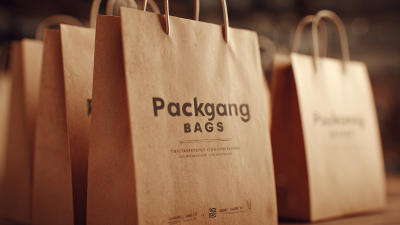
Lately, there's been a real kick when it comes to recognizing environmental issues, and it’s led to some pretty noticeable shifts in how industries, especially packaging, are approaching sustainability. I mean, if you look at it, eco-friendly Packaging Bags are playing a big role in helping cut down on plastic waste worldwide. It’s clear we really need to get creative with packaging solutions if we want to make a real difference. Speaking of which, ESD-PAC VINA, started back in March 2018, has been quickly making a name for itself. They’re now one of the top manufacturers of aluminum films, anti-static films, aluminum bags, anti-Static Bags, and vacuum bags.
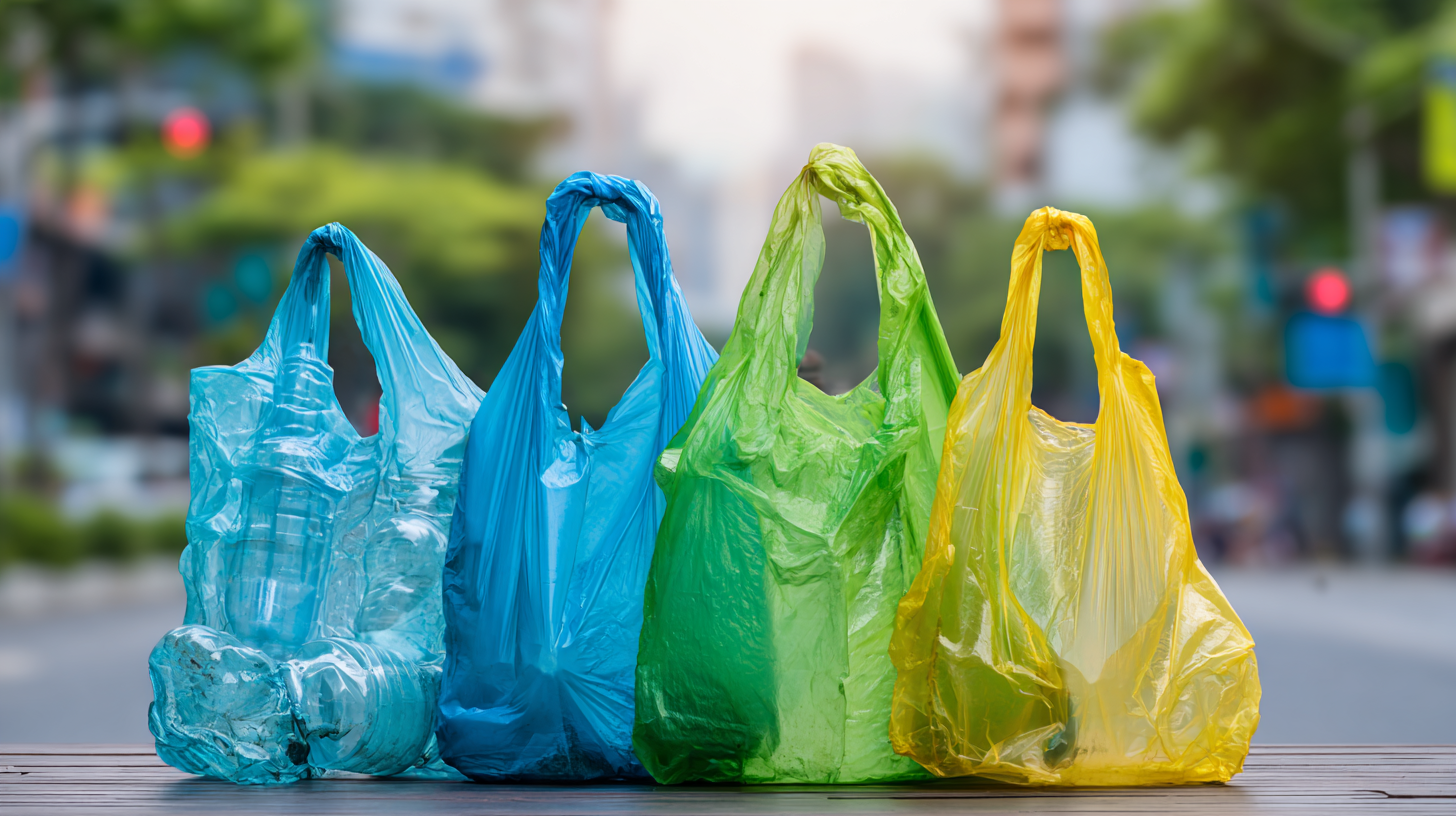
Their factories are pretty massive — covering around 12,000 square meters — and it’s obvious they’re serious about contributing to a circular economy with their high-quality, eco-friendly packaging options. Looking into these greener alternatives, it's easier to see how they could really help tackle plastic pollution and push us toward a more sustainable future for our planet.
Understanding Eco-Friendly Packaging Options and Their Benefits
These days, eco-friendly packaging is really starting to take off. More and more businesses and consumers are waking up to just how much their choices impact the environment. Things like biodegradable and recyclable materials are not only cutting down on plastic waste, but they're also pretty much what modern customers are searching for — responsible, sustainable options. Looks like the global market for sustainable packaging is set to grow a lot in the next few years, so it’s a good idea for companies to get creative and explore innovative packaging ideas that satisfy what consumers want and meet the regulations, too.
And honestly, switching to eco-friendly packaging has a bunch of perks. Companies that jump on this train can boost their brand image, attract folks who care about the planet, and even save some bucks on waste management in the long run. Plus, new sustainable packaging tech isn’t just good for the environment — it also offers better product protection. Especially in industries like food and cosmetics, where there's increasing pressure to ditch traditional plastics, adopting greener solutions isn’t just a trend anymore — it’s a must-have move for building a more sustainable future.
Assessing Consumer Attitudes Towards Sustainable Packaging Choices
You know, these days, people really care more about eco-friendly packaging—it's become a big deal when it comes to sustainability and just being more environmentally conscious. Lots of studies show that consumers are making choices, sometimes even without fully realizing it, based on how sustainable a product’s packaging is. As our interest in green products keeps growing, it’s super important for brands to get what actually influences people's preferences—like their awareness of environmental issues or whether the packaging looks good. All of that really matters if you want to catch the eye of eco-minded shoppers.
And here’s something interesting: research shows there’s a pretty clear link between how packaging looks and how consumers behave, especially in the food industry. The packaging you pick can really sway someone’s decision to buy—especially when people are thinking about reducing food waste and being more eco-friendly. As more folks realize the environmental impact of their shopping habits, factors like the materials used, the design, and the messaging about sustainability start playing a huge role in whether someone ends up making a purchase. Sure, there are still some hurdles when it comes to adopting sustainable packaging, but honestly, demand for greener options is only picking up. This just highlights how important it is for brands to align Their Packaging strategies with what consumers are really looking for these days—more eco-friendly, cleaner options that match their values.
Exploring the Impact of Eco-Friendly Packaging Bags on Global Plastic Waste Reduction: A Comprehensive Analysis - Assessing Consumer Attitudes Towards Sustainable Packaging Choices
| Consumer Segment | Percentage of Eco-Friendly Packaging Preference | Awareness Level of Plastic Pollution (1-5) | Importance of Sustainability (1-5) | Willingness to Pay More for Eco-Friendly Options (%) |
| Millennials | 78% | 4.2 | 4.4 | 65% |
| Gen Z | 85% | 4.5 | 4.6 | 70% |
| Baby Boomers | 62% | 3.8 | 4.0 | 50% |
| Gen X | 69% | 4.0 | 4.1 | 58% |
| Parents | 72% | 4.3 | 4.5 | 62% |
Analyzing the Role of Legislation in Promoting Eco-Friendly Bag Use
Lately, the role of laws in encouraging the use of eco-friendly packaging bags has really become a big deal in the fight against plastic pollution. I read somewhere that, every single minute, we dump about a garbage truck full of plastic into our oceans—that's pretty shocking, right? Countries that have tough regulations on single-use plastics are actually seeing some pretty noticeable drops in their plastic waste. Take the European Union, for example—they rolled out the Single-Use Plastics Directive, which bans certain disposable items and promotes better alternatives. They’re aiming to cut down about 3.4 million tons of plastic waste by 2030—that’s a huge impact!
And it’s not just about telling people how to dispose of waste. Laws can also give businesses and consumers some nice incentives to go greener. Recent studies suggest that when countries offer tax breaks or subsidies for eco-friendly products, the market share for biodegradable packaging can go up by as much as 20%. These policies really motivate people to change their habits, and they push manufacturers to innovate and invest more in sustainable solutions.
Tips: If you’re into supporting eco-friendly packaging, try advocating for local laws that prioritize sustainability. It’s also smart to learn about the benefits of biodegradable materials and pick products that use eco-friendly packaging whenever you can. Small choices like these, made collectively, can really help reduce plastic waste and make our planet healthier—and honestly, it feels good knowing you’re part of the solution!
Evaluating the Environmental Impact of Biodegradable vs. Traditional Plastics
You know, lately, there's been a lot of talk about switching to biodegradable packaging and how it stacks up against old-school plastics. Most of these eco-friendly plastics are made from natural stuff like cornstarch or sugarcane, and they can break down faster—if you’re in the right conditions. That’s a big deal, since regular plastics can hang around in the environment for hundreds of years, messing up soil and oceans. But here’s the catch: how well biodegradable plastics actually work really depends on how we throw them away. A lot of times, they don’t really break down properly in regular landfills, which kind of defeats the purpose.
On the flip side, traditional plastics might be tough, cheap, and work well for a bunch of uses, but they cause serious environmental headaches in the long run. All those plastic waste blobs piling up in landfills and floating in oceans are a nightmare for wildlife and natural habitats. And yeah, recycling is supposed to help, but honestly, only a small chunk of plastics ever get recycled properly. So, while biodegradable options seem promising, their real impact depends on us—consumers, businesses, and waste management systems—working together to make better choices and handle waste more sustainably.
Exploring Corporate Initiatives Targeting Reduced Plastic Waste with Eco Bags
You know, these days, there's a real buzz around eco-friendly packaging. More and more companies around the globe are realizing they have a part to play in fighting plastic waste, and it shows in the way they're changing things up. A lot are slowly but surely bringing sustainable practices into their supply chains, like switching over to eco-friendly bags. 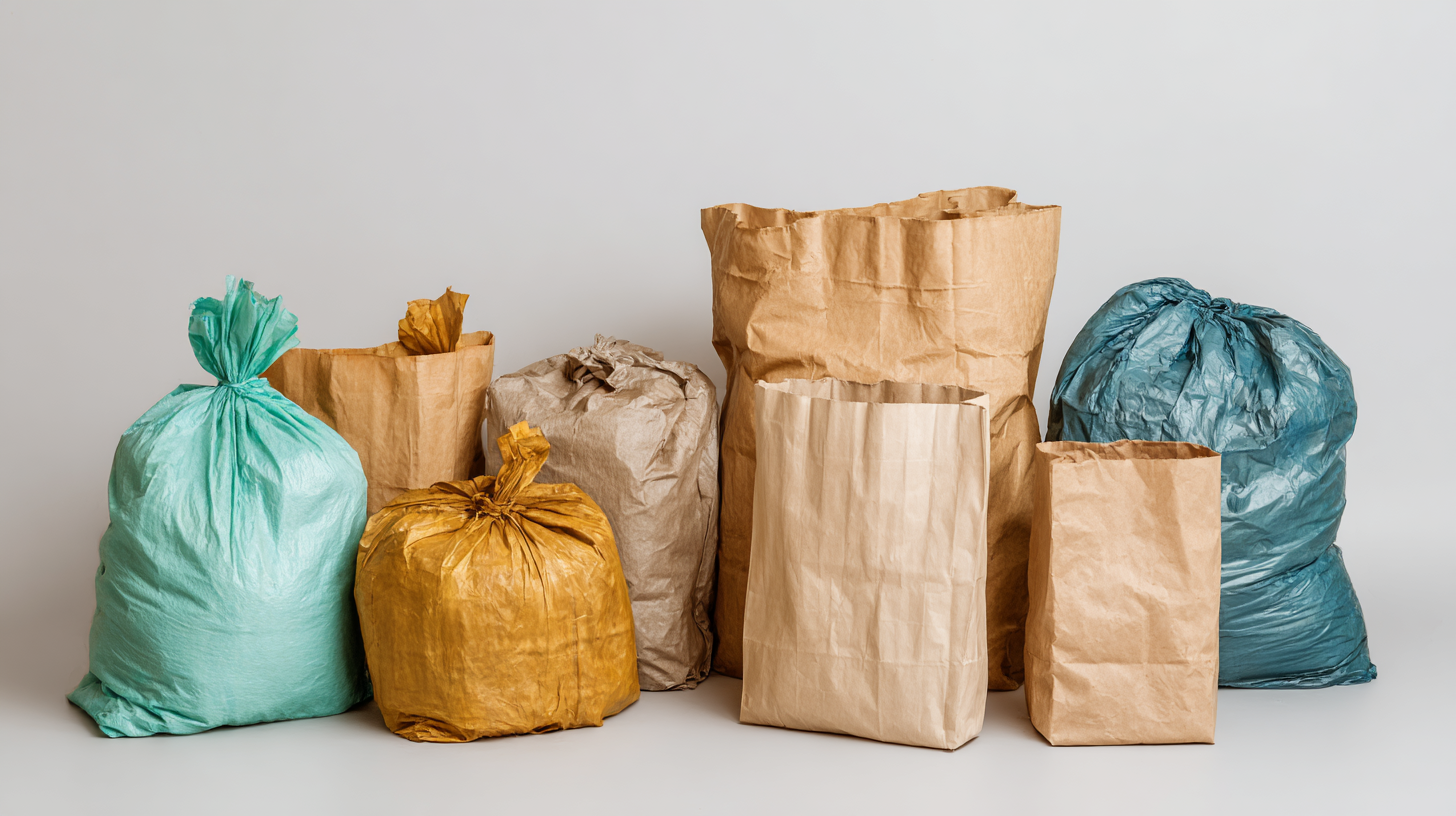 Take ESD-PAC VINA, for example — founded back in March 2018, we've been right out front leading this charge. We’re always coming up with new solutions, especially focusing on aluminum films and anti-static materials. This way, we help cut down on plastic dependency by offering tough, reusable options that fit different industrial needs.
When you're choosing packaging, it’s a good idea to pick solutions that cut down on plastic waste while still keeping your products safe and in good shape. Eco bags aren’t just good for the environment—they can serve lots of purposes, so they help generate less waste overall and also show your customers that your brand cares about sustainability.
On top of that, companies’ efforts really play a big role in pushing a circular economy forward. When you team up with suppliers and customers, you can create a real demand for eco-friendly stuff. Thanks to our two modern factories and extensive manufacturing capacity, ESD-PAC VINA is well-equipped to handle this growing demand efficiently. Every eco bag we produce is a little step towards sustainability, proving that businesses can grow and thrive while still taking care of the planet.
And hey, getting your employees involved in green initiatives can really boost your company's social responsibility image. Building a culture of sustainability not only lifts morale but also makes sure everyone’s on the same page about the eco-friendly mission. It’s all about making small changes that add up to a big difference.
Identifying Key Players and Innovations in the Eco-Friendly Packaging Market
The eco-friendly packaging market has really been waking up thanks to some major players and new approaches focused on sustainability and cutting down waste. As more companies jump on the bandwagon of using biodegradable and recyclable materials, we're seeing a lot of fresh faces taking the lead—pushing the envelope beyond the usual packaging options. Technologies like machine learning and predictive analytics are also stepping in to make design and production way more efficient, helping brands come up with greener options that actually match what consumers want these days.
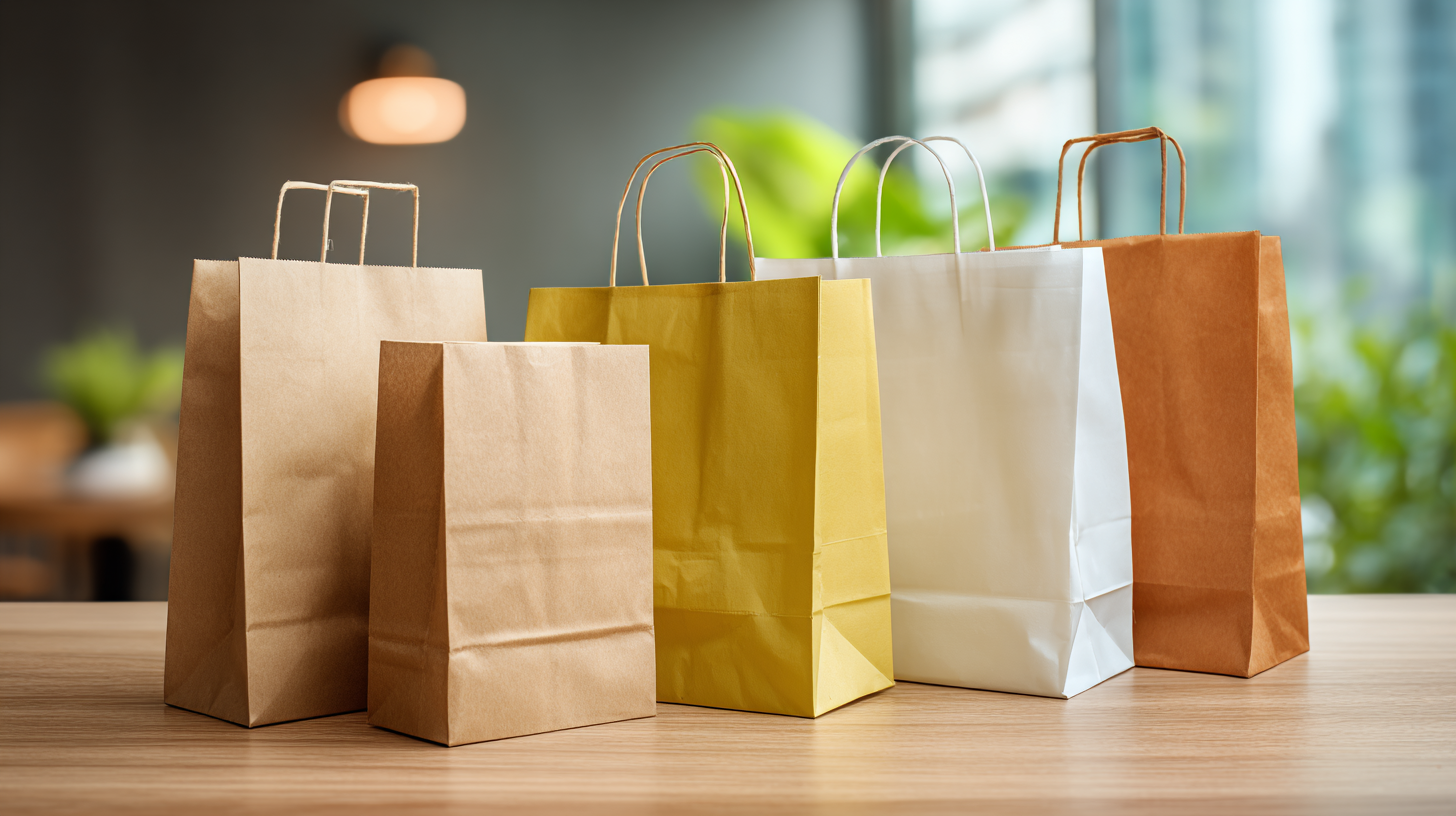
One of the coolest trends right now is molded pulp packaging — it’s really catching on because it’s eco-friendly and a solid alternative to traditional plastics. Experts say this part of the market is set to grow pretty quickly, thanks to consumers becoming more aware of environmental issues and wanting products that leave a smaller footprint. As sustainability keeps being a hot topic, companies are working on all sorts of innovative solutions—not just to cut down on plastic waste but also to keep up with what people in sectors like food, nutraceuticals, and candies are looking for. All in all, it’s an exciting time for eco-friendly packaging, and it feels like the market is just getting started.
Revolutionizing Household Cleaning: The Market Potential of 1L, 2L, and 3L Liquid Detergent Doypack Packaging with Enhanced Sustainability
The household cleaning market is undergoing a significant transformation with the advent of sustainable packaging solutions, particularly in the realm of liquid detergent. The introduction of Doypack packaging for 1L, 2L, and 3L detergent products aims not only to enhance convenience and usability but also to reduce environmental impact. This innovative packaging design, made from eco-friendly materials, minimizes plastic waste while offering a practical alternative to traditional rigid containers.
One of the standout features of Doypack packaging is its ability to utilize space efficiently, making it easier for consumers to store and use household cleaning products. With a focus on sustainability, these pouches are designed to be lightweight and easily recyclable, appealing to environmentally conscious consumers. The potential of these packaging formats lies not only in their functionality but also in their ability to communicate a brand's commitment to sustainability, addressing the growing consumer demand for eco-friendly household products.
As the trend towards sustainability continues to gain momentum, the market for liquid detergent in Doypack packaging presents a compelling opportunity for manufacturers. By investing in enhanced sustainability measures and adopting innovative packaging designs, companies can position themselves at the forefront of the cleaning product market, catering to a demographic increasingly concerned with the environmental footprint of their purchases.
FAQS
: Eco-friendly bags are durable, reusable alternatives to traditional plastic packaging, designed to minimize plastic waste and support sustainable practices. They are important because they help reduce environmental impact and reinforce a brand's commitment to sustainability.
ESD-PAC VINA COMPANY provides innovative packaging solutions using materials like aluminum films and anti-static materials, focusing on creating eco bags that cater to various industrial needs and promote sustainability.
Corporate initiatives are crucial as they encourage collaboration between suppliers and consumers to drive demand for eco-friendly products, fostering a circular economy and sustainable practices in the industry.
Molded pulp packaging is a sustainable alternative that replaces conventional plastic materials. It is gaining popularity due to its eco-friendly characteristics and increasing consumer awareness of environmental issues.
Companies can enhance their corporate social responsibility (CSR) profile by fostering a culture of sustainability among employees, encouraging participation in green initiatives that boost morale and align workforce values with eco-friendly missions.
Key innovations in the eco-friendly packaging market include advancements in machine learning and predictive analytics, which improve packaging design and production processes, allowing for the creation of more sustainable options that meet changing consumer demands.
Trends such as the increasing demand for biodegradable and recyclable materials, consumer awareness about environmental impacts, and the desire for products with lower ecological footprints are driving growth in the eco-friendly packaging market.
By choosing packaging solutions that are designed to minimize plastic waste while ensuring product safety and integrity, companies can reduce overall waste generation and support sustainable product offerings.
Various sectors, including food, nutraceuticals, and confectionery, are increasingly focusing on developing eco-friendly packaging solutions to cater to evolving consumer preferences and sustainability trends.
Sustainability trends are significant as they shape market demand and encourage companies to innovate and adopt practices that reduce plastic waste, ultimately benefiting the environment and promoting responsible consumption.
Conclusion
The article titled "Exploring the Impact of Eco-Friendly Packaging Bags on Reducing Global Plastic Waste" really dives into how sustainable packaging can actually make a difference in tackling plastic pollution. It kicks off by looking at the different kinds of eco-friendly packaging out there—highlighting how they help cut down on environmental harm. Then, it shifts gears a bit to talk about what consumers think about these green options, pointing out that more people are eager to choose responsible, environmentally friendly products these days. The piece also touches on how laws and regulations are encouraging companies to switch to eco-friendly bags, and it compares the environmental perks of biodegradable materials versus the usual plastics we see everywhere.
On top of that, the article sheds light on various business efforts to cut down plastic waste, showcasing some pretty innovative ideas and key players in the field. For example, companies like ESD-PAC VINA, which focus on making high-quality aluminum and anti-static packaging, are really leading the charge toward a more sustainable packaging industry. Their dedication to eco-friendly practices fits perfectly with the bigger push for sustainability we're seeing right now. All in all, it underscores just how important it is for us to adopt eco-friendly packaging bags—not just for companies, but in our everyday lives too.