Leave Your Message
There is a constant change of evolution in the world library which always keeps changing about global food procurement. In this, specifications and quality packaging of food have always played a major role in ensuring integrity as well as the safety of food products. It really becomes essential for a company to understand the nitty-gritty of Bags when they are striving to achieve an international standard. This blog will tell you about the different types of Food Bags, specification-wise factors concerning the different types of these bags, and effective procurement strategies for making your business stand out among the competitors.
At ESD-PAC VINA COMPANY, which started its journey in March 2018, we are proud to say that we are leaders in packaging solutions, in which we specialize in aluminum films, anti-static films, aluminum bags, anti-Static Bags, and vacuum bags. With two very modern factories of over 12,000 square meters, we can meet almost all the needs of our clients with very high-quality food bags that ensure the freshness and safety of food products during transport and storage. Join us as we explore the best practices and tips for choosing and procurement of food bags that meet your company objectives.
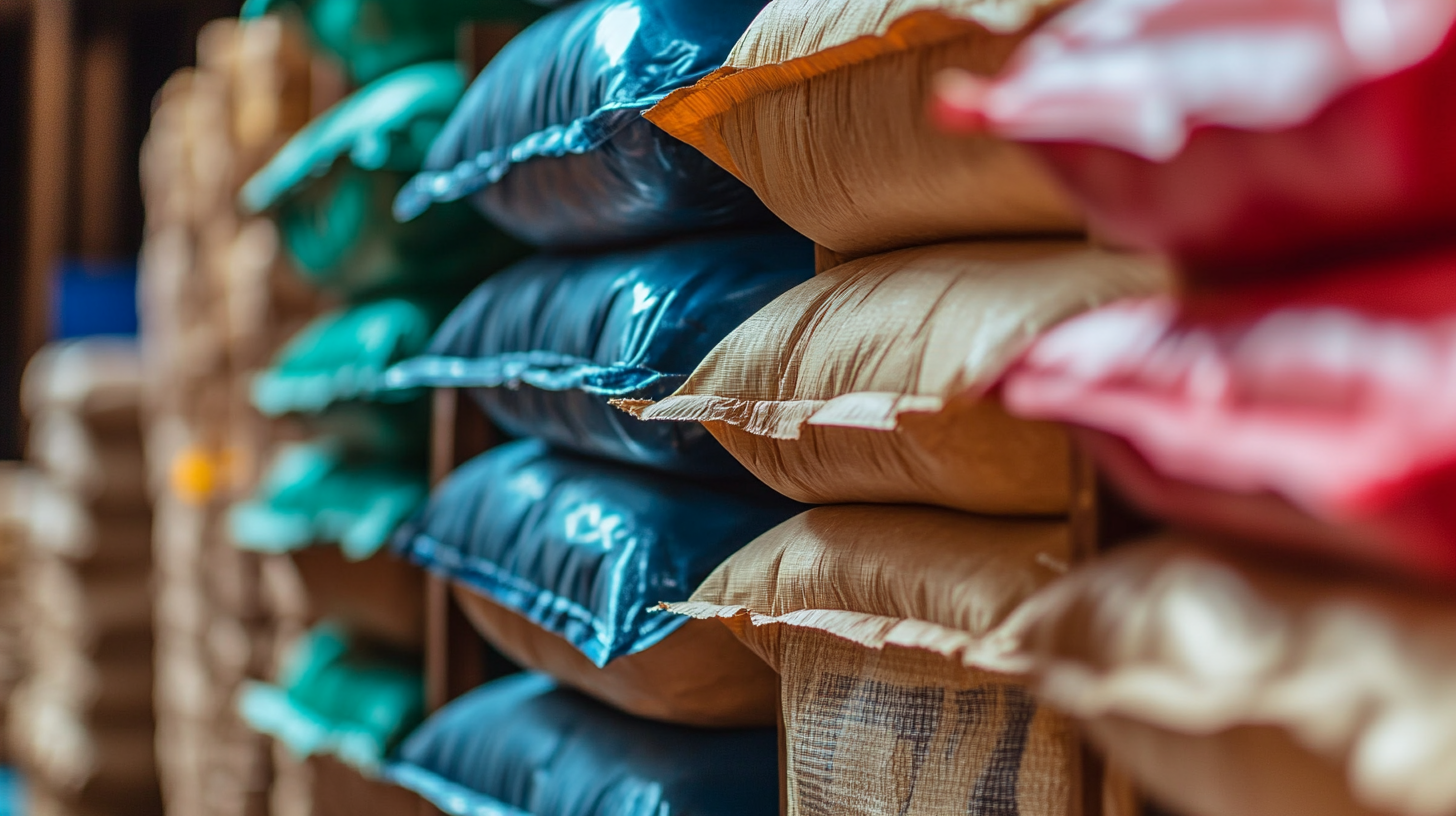
Ensuring Compliance with Food Packaging Specifications as a Form of Risk Management: The value of food bag specifications is underappreciation in the global supply chain dynamics. Having specifications for food bags are the cornerstones for quality, safety, and compliance during transportation and storage of food products. It controls or reduces the risks of food spoilage, contamination, and regulation infringements in a business by following the industry standards. The detailed specifications stipulate what materials are used, dimensions, weight limits, and safety features about food bags, fundamental information that would assist procurement teams make sound decisions. In addition, the very important aspect of food bag specifications is useful in further strengthening supplier/buyer relationships. Supplying requirements becomes clear so that a supplier could meet the specific needs of a buyer, avoiding misunderstandings, thus making everything more efficient throughout the procurement procedure. Together, superior product quality and sustainability have a shared goal of getting the better use of materials and reducing waste because of excellent, well-defined specifications. As globalization takes on to mold the food supply chain, such importance to food bag specifications can only get more. Understanding and proper application of these specifications position a company in readiness for prospective improvements in a competitive market, while at the same time ensuring its products reach consumers who are not only interested but are also in their excellent shape. Such prudence is apparent to dedication to food safety and customer satisfaction, which would matter very much in this day and age of conscious consumers.
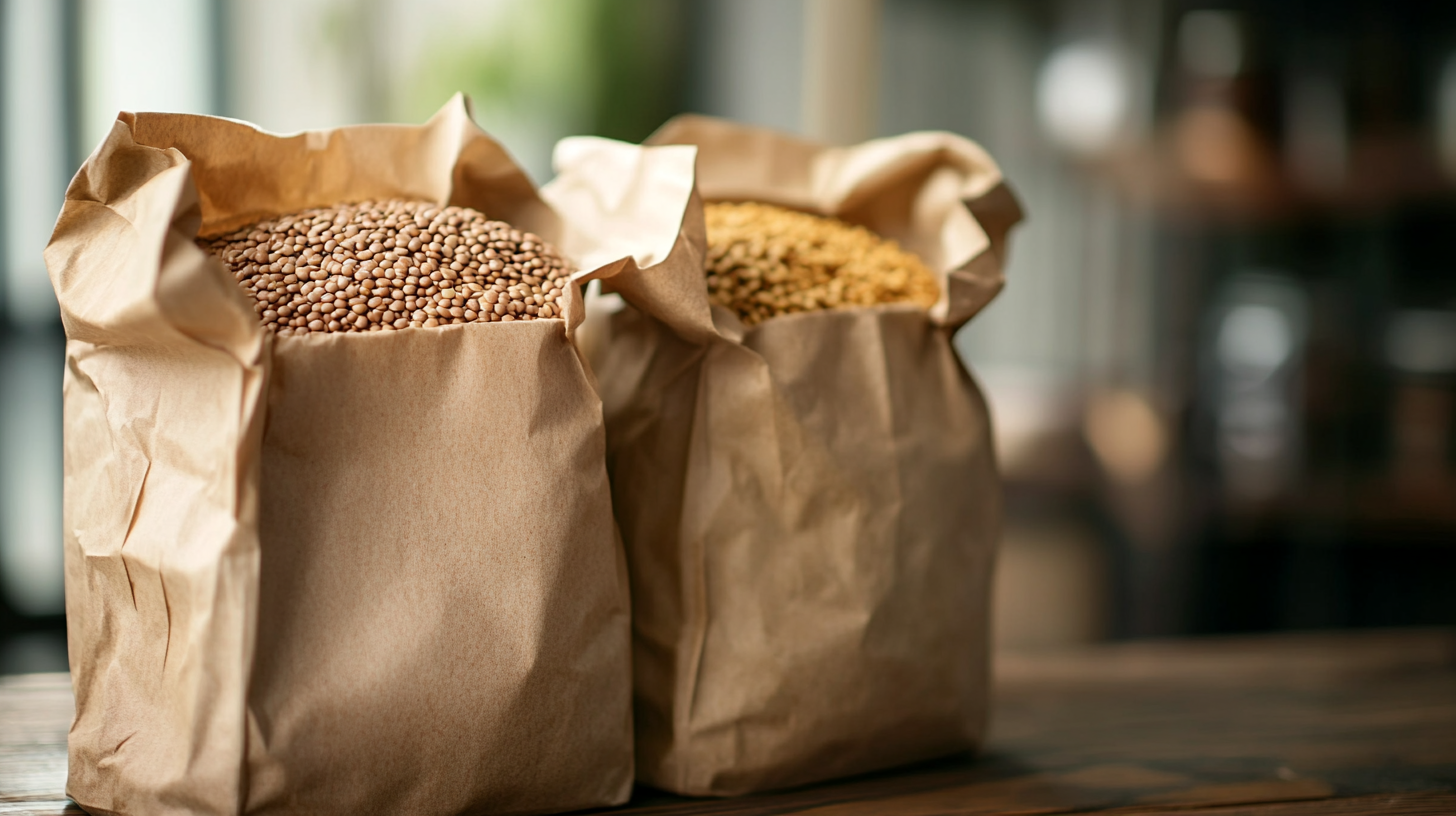
Depending on the materials chosen for food packaging, the integrity and safety of food products are assured. The commonly used material in food bags includes polyethylene, polypropylene, paper, and biodegradable ones. Each common element has its merits and demerits, which would tend to greatly differ, affecting the supply chain and consumer acceptance.
For example, polyethylene is preferred for moisture-resistant and durable packaging, thereby being the most suitable material for perishable goods. According to Smithers Pira, the global polyethylene food packaging market will reach $91 billion in 2027. Environmental considerations concerning the material will be based on the fact that it has been produced from fossil fuels and is non-biodegradable, thus potentially leading to pollution problems.
Whereas the biodegradable varieties such as compostable plastics are becoming very attractive products owing to rising consumer demand for such sustainable alternatives, a study promoted by Biodegradable Products Institute further projects that the market for biodegradable food packaging could surpass $20 billion by the year 2025. Most notably, although such materials have great ecological benefits, the cost, performance and proper infrastructure for composting remain issues.
Paper bags have always been the default option with a positive side to it and negative all mixed together. They are recyclable and biodegradable and very attractive to the green consumer. But then, paper has proven to be more vulnerable to moisture and physical damage; both of these qualities disqualify certain food products from being packaged well in it, thereby limiting the use of paper in the food sector. Thus, individual companies need to keep these material-characteristics in mind as they frame their winning procurement strategies keeping into consideration the future demands of a global marketplace.
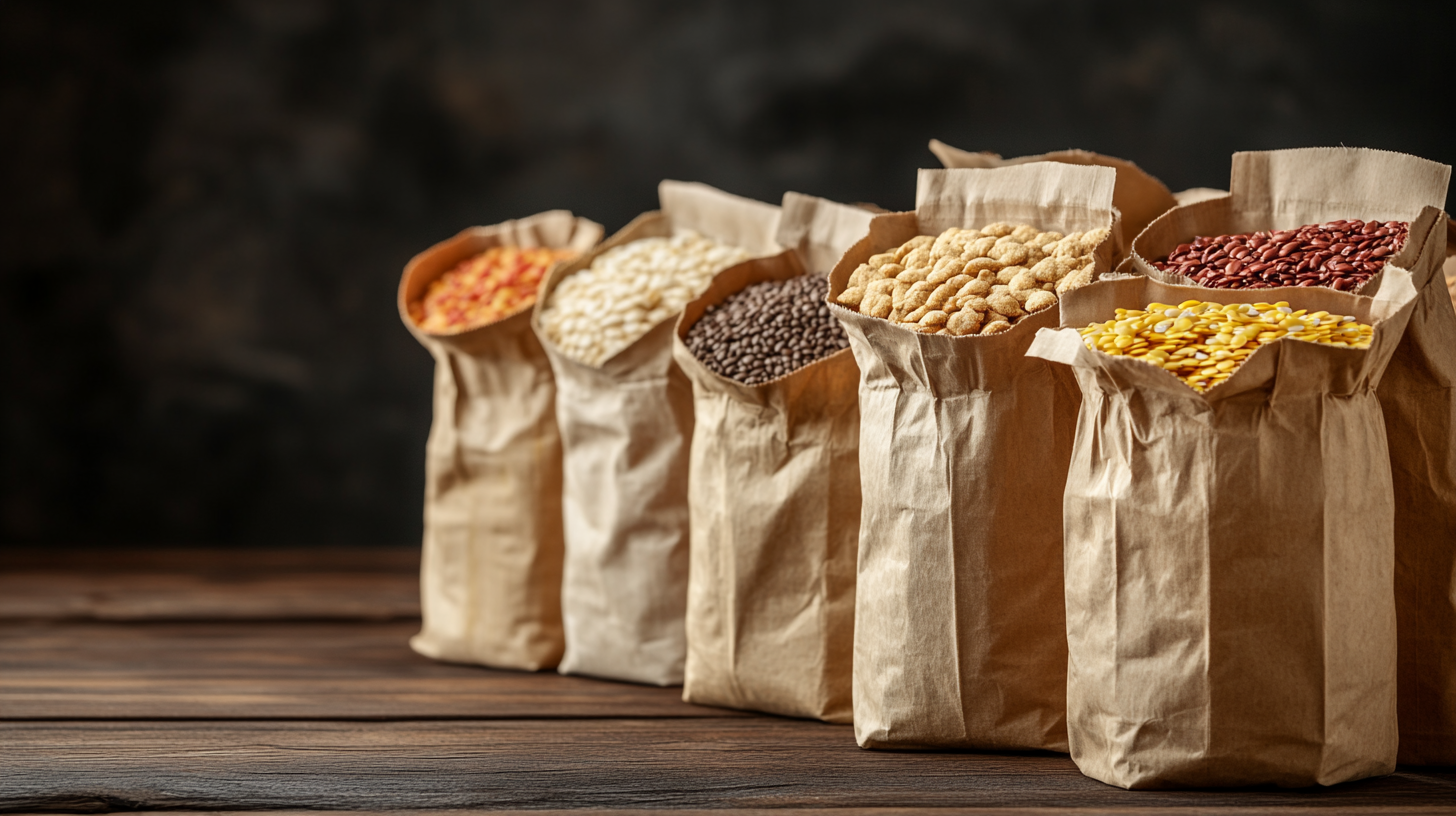
When it comes to choosing food bags for a range of products, many key features have to be considered with the objective of giving optimal protection and preservation to the product and ensuring maximum functionality. As per a Smithers Pira report, the global food packaging market is expected to touch the $450 billion mark in the year 2024; making it clearly evident how significant the factors are in today's tabletop conversations concerning the importance of packaging. Material integrity is one criterion that has to be sought after. Food bags not only act as durable carriers but also serve specific needs, such as moisture and oxygen barrier gives, critical for product freshness, by material such as polyethylene, polypropylene, and biodegradable options.
The size and shape, meanwhile, of the food bags can affect both storage and transport. The market for flexible packaging is continuously growing and projects an increase in CAGR of 4.5% from 2020 to 2027, due to lightweight and cost-effective packaging solutions; thus, the right dimension will optimize shelf space and minimize transportation costs, eventually benefiting the supply chain.
Sustainability thus, forms an important factor in the market nowadays. As far as the consumers have open preference toward green-friendly products, recycled or compostable bagging solutions in which food bags are made into would not only satisfy environmental leanings but would most probably add to a greater market. A survey of the Sustainable Packaging Coalition indicates that as many as 72% of consumers would feel positively towards brands using sustainable packaging; hence, these considerations are to be incorporated into procurement strategies now that the modern trend is heading in such a way. Such features would enhance product presentation and make a brand more loyal and trustworthy among consumers.
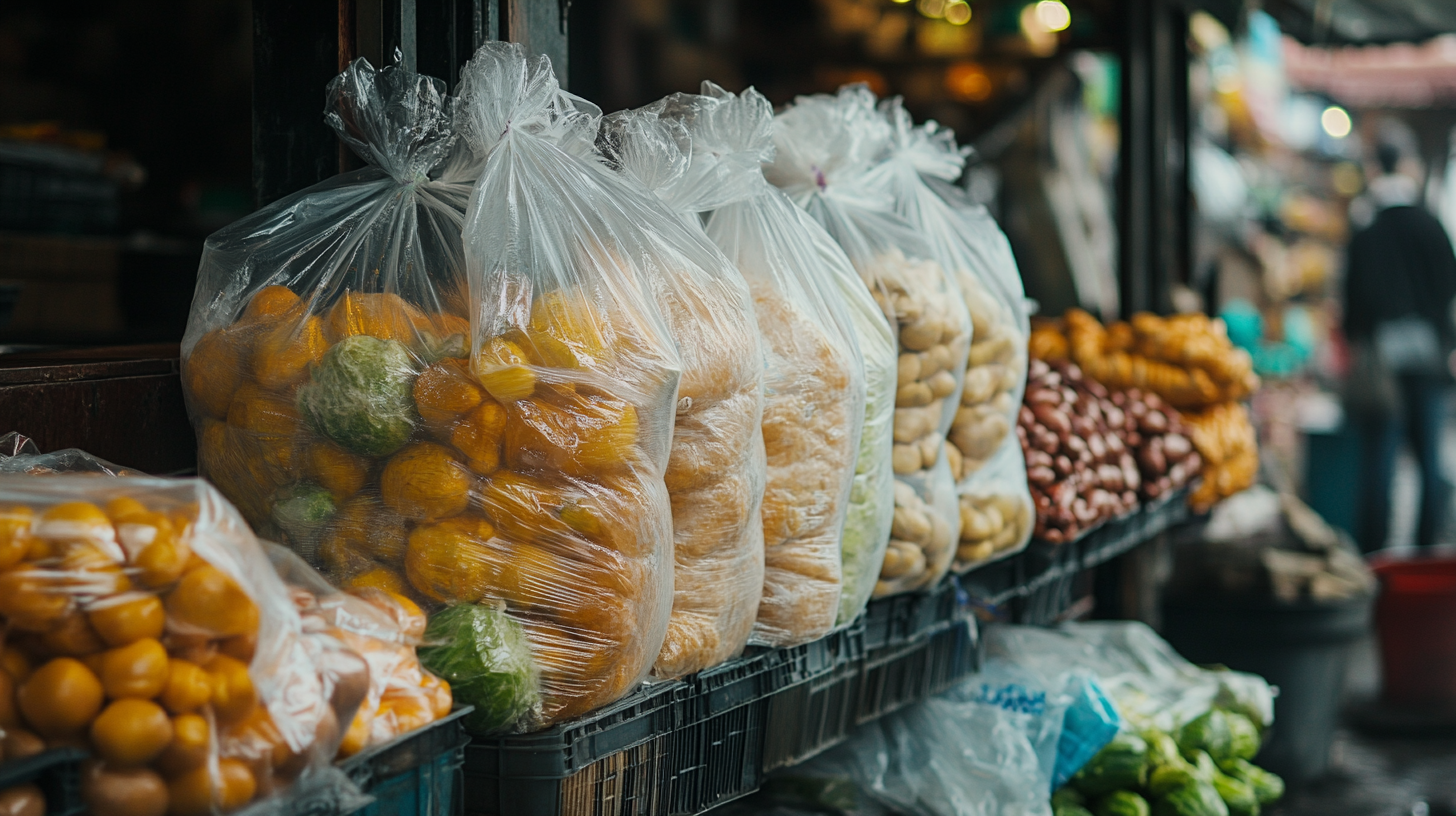
Cross business applications: Sustainability will indeed be some most critical standards of travelling auspiciously in this journey. It is more than a trend; and, fast becoming a standard practice among businesses associated with environmental responsibility. To put the facts forth, the 'Smithers Pira' report about the global bioplastic market states that the demand for bioplastics in food packaging is predicted to cross 2,000,000 tons by 2025. More and more companies focusing to have sustainable options in the process of food bags purchase should consider using materials with lesser environmental impacts, such as biodegradable plastics or recycled materials; not only are these green products but also sought after by consumers.
Another factor to take into account is the mode of sourcing by suppliers. As per the Ellen MacArthur Foundation report, businesses reduce their carbon footprint by adopting preferred suppliers who practice ethical sourcing and incorporate principles of circular economy. Such certifications are: FSC (Forest Stewardship Council) for paper-based product lines, for those companies wanting to ensure continuous regeneration of materials safely through Cradle to Cradle certification, and other provisions for certification.
Beyond that, life-cycle analysis of food bags is also needed when it comes to sound decisions about procurement. "Food Packaging Forum" states that the environmental impact of packaged goods can be greatly made smaller through their procurement decisions because they will last longer and can be reused. Sustainable facilities thus will not only benefit the planet but also their own reputations, as these types of practices become more popular among consumers.
An organization has to ensure that, in procuring food bags across the world, quality has to be matched with its affordability. Budgetary restrictions on the distribution of food bags do not, however, allow to meet the regulatory as well as consumer experience standards. A ratio of costs should be analyzed to find the right suppliers who realize return on investment without compromising on quality essential for maintaining food safety.
Initially, organizations should also analyze how actually total costs amount to costs incurred beyond unit costs of food bags. Transport, import duties, and any possible hidden costs such as losses from wastages and spoilage due to poor qualities of material add up under total cost analysis. As a result, decisions that are beneficial in terms of looking for compliance with food safety regulations and building better acquisitions can be made.
In addition, using this technique would also serve to sustain the suppliers over an extended period, hence getting favorable prices and better services. Negotiations regarding the terms of an agreement on bulk purchases or long-term contracts can be made, which can alsogenerate discounts for more high-quality bags at competitive prices. Besides, suppliers who believe in quality may also shed light on advancements and innovations in materials, thereby ensuring that businesses always maintain the highest standards while remaining ahead in the market race.
With the sustainability of food packaging on the international scene, understanding the jungle of legislation becomes an asset. Different countries pose various requirements on food safety, the materials utilized, and labeling; companies must navigate the maze of these regulations to secure their product's compliance and avoid monetary penalties. For example, in the E.U., stringent rules define food contact materials to protect consumer health, while in the U.S.A., there is a great emphasis on the FDA guidelines. Suppliers should thus familiarize themselves with these differences so as to engage in seamless cross-border trading.
Besides ensuring compliance, local regulations will also instill confidence in consumers. In many markets, increasing consumer awareness of sourcing and production practices has become a significant selling point. Thus, businesses should spend time in researching local and international packaging laws. Getting in touch with local experts or legal advisors versed in these regulations will provide significant insight into how to strategize meeting compliance requirements while succeeding with the target demographics.
An equally important consideration in global procurement is keeping a finger on the pulse with current trends and potential regulatory changes since they may impact existing packaging. Provide continuous education and training to the procurement team to strengthen their agility and swift response to regulatory change. Promoting a culture of compliance and awareness in the entire organization would go a long way in enhancing the administrative capabilities of the business on a global level, assuring that its food packaging meets legal requirements and fulfills market expectations.
Without a doubt, it is vital for effectiveness in an absolutely smooth process of procurement that the company efficiently communicate with suppliers, especially in these times where global supply chains can offer numerous challenges. Interconnectivity between industries may continue to expand, rendering it ever more essential that specifications can be clearly articulated within the context of such partnerships. Contemporary technology can provide an infrastructure such as that offered by blockchain to facilitate transparency and mutual trust between companies and their suppliers. In this sense, for example, BMW participates in the exploration of a blockchain to organize more than 30 billion parts on an annual basis, streamlining the procurement process but yet tracing each component's origin and quality.
To make sure that the communication is effective, businesses will have to continue schedules of updates and feedback loops with their suppliers regularly. These checks could either be virtual or physical at regular intervals to reveal bottlenecks as they come along. Suppliers capable of outlining their specifications and expectations at the outset can also lessen the room for misunderstanding, as many misunderstandings manifest later in confusion. The last thing is to build a culture of open dialogue, where suppliers feel free to contribute their ideas and innovations, since this will lead to an enhanced product range and efficient supply chain.
Also, this will use digital tools to have richer interactions as well. Online systems allow real-time, collaborative exchanges, thereby putting everyone in the same proper position throughout the procurement process. It also contributes to the improved efficiency of operations. Finally, it also strengthens the relationship between businesses and their suppliers. Thus, right into this communication strategy, organizations can make their cross-border procurement processes more efficient, even though they are structured to cope with modern supply chain complexities.
Finally, futuristic models in food bag designs and material technology are stately leading into an even greener, user-friendlier packaging mode. Given the high consumer demands for these convenience and eco-friendly materials, the industry has begun tapping advanced materials that not only protect the inside but also enhance user experience. One major innovation in this whole phenomenon is incorporating biodegradable and compostable materials, and trend projection is expected to increase quite significantly in the sustainable packaging market from 2025 to 2034.
Technology mainly redefines new food bag designs. The wave of new intelligent packaging put forth by technology empowers those users who own the product to understand it in much more novel ways. Introducing AR and QR codes to further inform users about various product details adds to the transparency and involvement of customers, as well as builds trust in the brand. Important, as the industry reacts to changing consumer demand as well as mounting regulatory pressures concerning the usage of plastics.
Further innovations also indicate a tendency toward lightweight packaging that prolongs shelf life while curtailing waste. Packaging design has transformed into an important battleground where form, function, and environmental stewardship are to be pitted against each other because the company seeks to establish a balance between convenience and environmental responsibility. At these points of intersection lie the wondrous stories that capture the imagination of the discerning and concerned consumer because they help birth a new way to consume responsibly in the food and beverage sectors.
The commonly used materials include polyethylene, polypropylene, paper, and biodegradable options.
Polyethylene offers moisture resistance and durability, making it ideal for packaging perishable goods.
Polyethylene is derived from fossil fuels and is not biodegradable, raising concerns about pollution.
Biodegradable materials, such as compostable plastics, are gaining popularity due to consumer demand for sustainable packaging solutions.
While paper bags are recyclable and biodegradable, they are susceptible to moisture and physical damage, which limits their applicability for certain food products.
Companies should prioritize materials with lower environmental impacts, such as biodegradable plastics or recycled materials.
Effective communication allows businesses to convey specifications clearly and foster strong partnerships, leading to better outcomes and improvements in supply chain efficiency.
Technologies like blockchain can enhance transparency and trust, streamlining procurement processes by ensuring traceability of components.
Choosing suppliers with ethical sourcing and circular economy principles can significantly reduce a company’s carbon footprint.
Understanding the lifecycle of food bags and prioritizing longevity and reusability in design can help reduce environmental impact and enhance procurement practices.