
Leave Your Message
The worldwide market for Packaging Bags undergoes a massive change with the transformation characteristics of consumer preferences and technology into new inventions. As the year goes close to 2025, change has become the best shape for the businesses that need to be ready for that. The future of packaging bags, ranging from conventional materials to innovative, sustainable options, is full of expectations for both manufacturers and consumers, who will be looking for the environment-friendly functionals with the tagline "The best is yet to be born".
In such a dynamic market, ESD-PAC VINA COMPANY is a key player. Founded in March 2018, we have speedily made ourselves known as a top manufacturer of aluminum films, anti-static films, aluminum bags, anti-Static Bags, and vacuum bags. We operate state-of-the-art two factories covering 12,000 square meters. Therefore, we strive for quality-oriented delivery in meeting the diverse clients' demands. Similarly, the evolving industry holds our intention to leverage the excellence of ESD-PAC VINA COMPANY for future packaging bags, ensuring innovative products and market relevance.
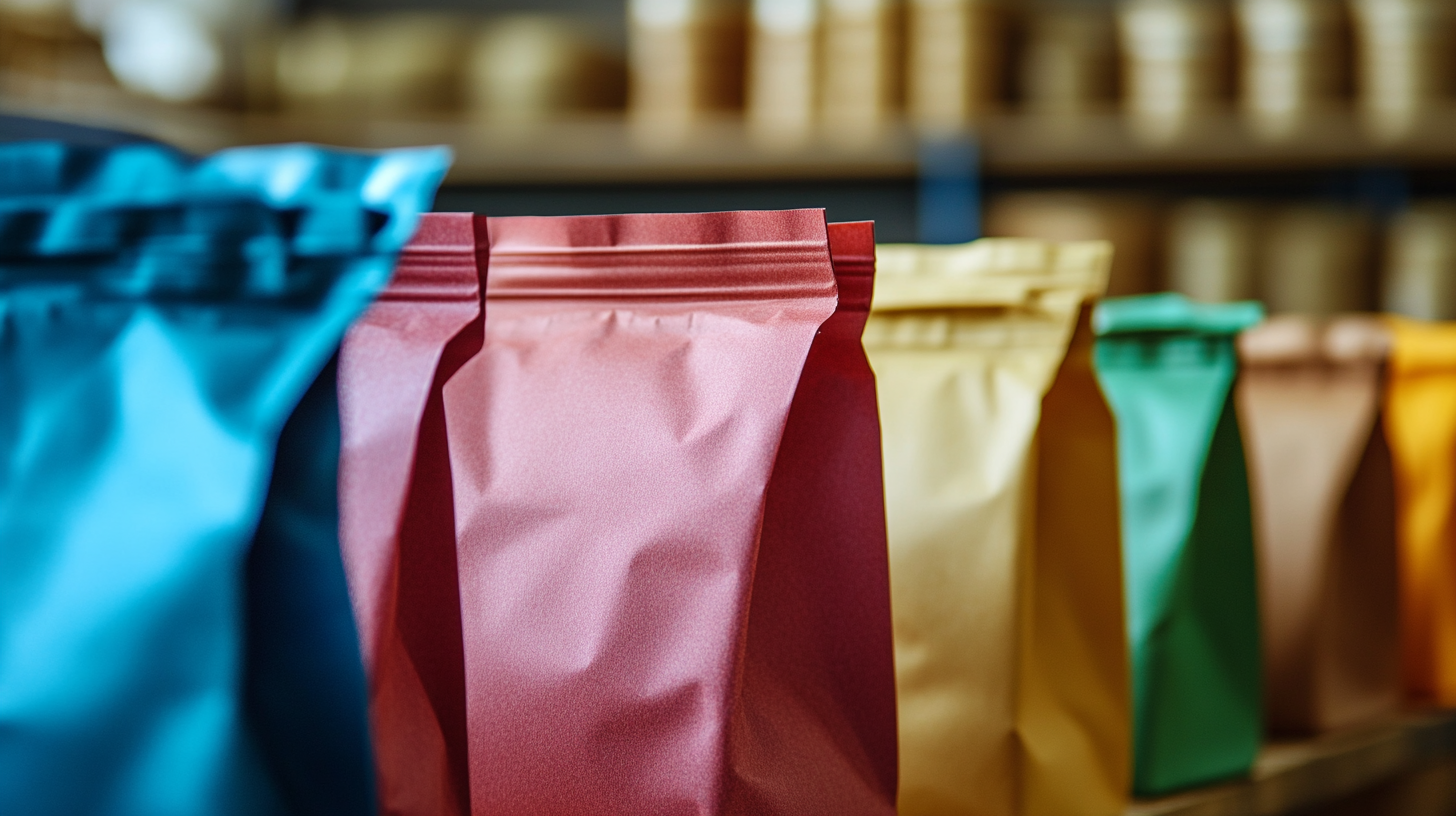
With dramatically shifting consumer favor and sustainability news headlines, the overall market for packaging bags is carving a new path. From a broader perspective-the forecast of 2025-will be seen where forecasted immense growth in plastics, paper, glass, and other materials. Furthermore, market dynamics are evolving under increasing shifting needs from companies, such as increasing demand for sustainable alternatives. For example, the estimated market for silicOne Packaging is understood to reach $2.17 billion between 2025 and 2034, with an absolute annual growth rate of 5.4%. Other than such examples, the other kinds of packaging would prosper in the avenue of the growing focus on environmentally friendly solutions. It is also anticipated that the recyclables market would grow significantly and sweep beyond $95 billion by 2024, with a robust CAGR of 6% attributing its catalyst to sustainability awareness. Innovations in the field of secondary packaging would be highlighted in the booming e-commerce and food delivery segment. This action would herald a paradigm shift toward more versatile and protective formats of packing. Packaging bags are themselves continuing to make a case for change in both materials and technologies, not just by responding to a changing demand pattern from consumers, but also as they react with specific types of products such as pouches and bottles currently driving the scene.
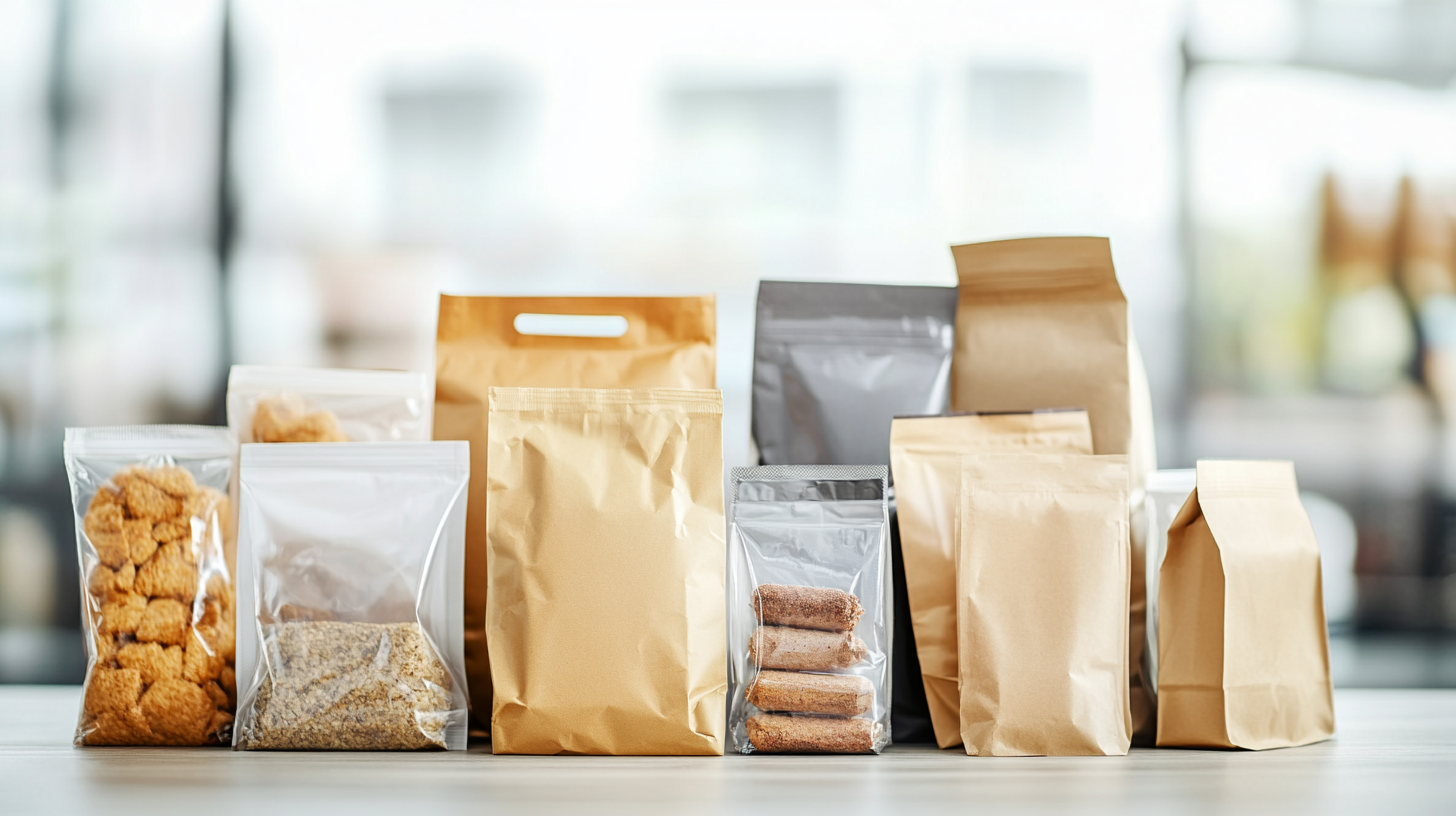
The packaging bag industry is currently undergoing enormous changes as we march into 2025. The major trends that determine the future of packaging bags revolve around sustainability and lightweight designs, which indicate a change in society's buying behavior towards green consumption. The rise of 'green' packaging solutions is a mirror to show how the logistics industry responds to environmental concerns. The express delivery sector is generally regarded as the pulse beating with economic vitality. Hence, with its own advancement, there is a growing demand for innovative sustainable methods of packaging.
A major trend today emphasizes lightweight packaging. It aims at decreasing the quantity of materials used throughout product shipment to save on transportation costs and carbon emissions. There is a rising green consciousness among consumers, and companies are thus looking at biodegradable materials for recyclability. Consequently, the age-old traditions of packaging are being converted by companies to work towards environmental preservation.
Conversion to luxury packaging among young consumers unveils yet another interesting facet of modern consumer behavior. Youngsters are turning packaging aesthetics into personal expression, birthing a growing market for customized luxury packaging. This trend shows the capacity for packaging bags to fulfill not only the functional but the artistic and emotional sides of consumerism.
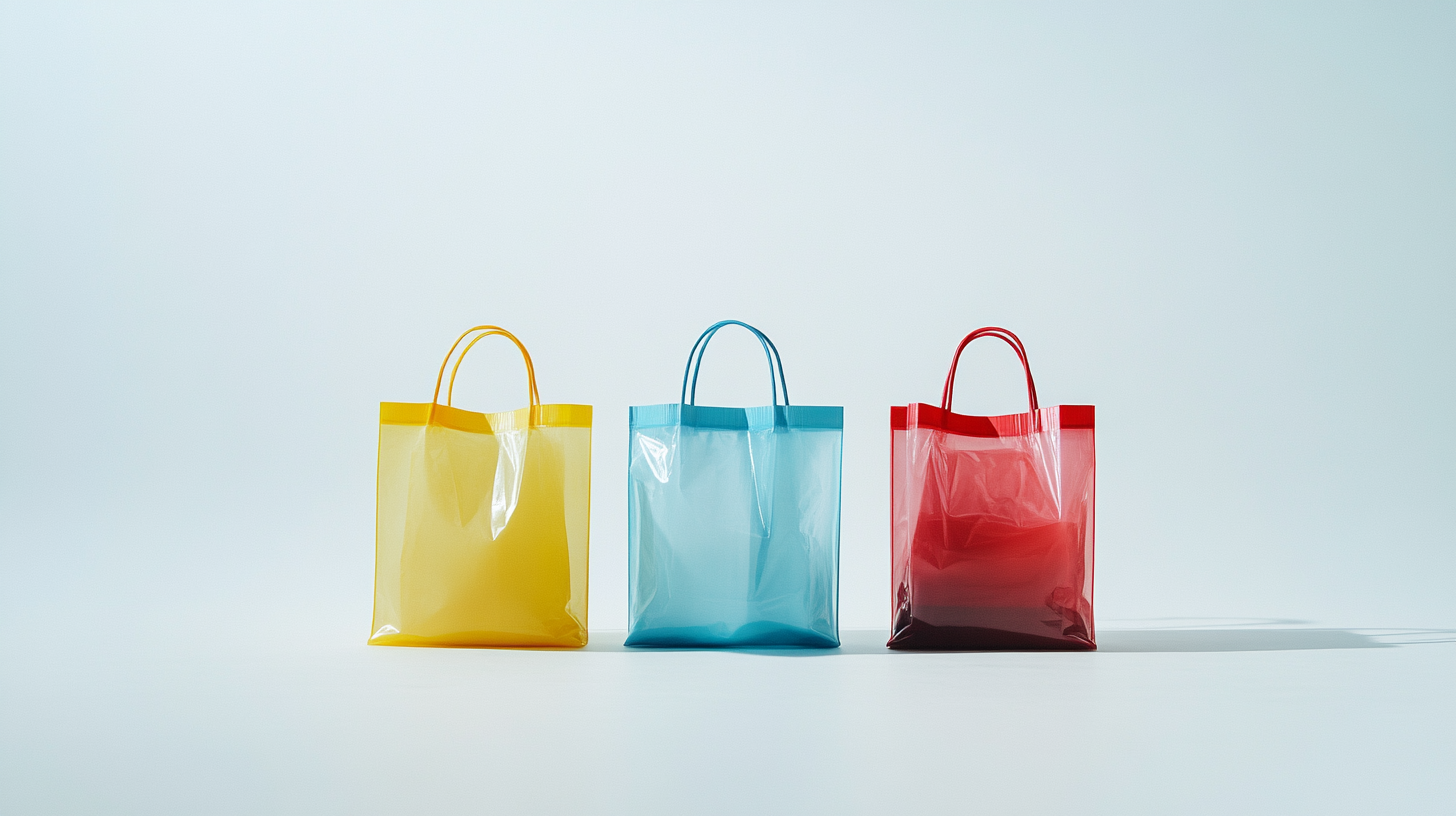
Revolutionary advancements run through the head of the packaging industry due to changes aimed directly at innovation that will meet consumer needs and demand sustainability in a unique manner. Most manufacturers are recording the increasing use of biodegradable and compostable alternative packaging materials in a world rapidly turning green.
The development considers not only reducing the carbon footprint but also responding to the consumer demand to use products that are consistent with their principles of environmentalism. The advancements in material science have brought about the possibility of creating plant-based plastics and films and have ushered in a new generation of sustainable packaging.
It is no longer about sustainability but involves a whole complete different era-new smart technology infusion in the packaging transformation industry. Embedded in such smart packages are QR codes or NFC tags, thus giving information on the contents of the products, their nutritional value, and expiry dates to consumers in real time.
Moreover, this greatly enhances improving consumer experience and trust, enabling brands to keep the communications open with their buyers. Besides, employ highly temperature-sensitive packaging that is growing demand in food and pharmaceuticals.
This may prove to be a change in 3 years, on the one hand. The last customer and trend addition is minimalism and personalization. As usual, even today, many brands adopt minimalism in terms of aesthetics-efficiency-functionality and the elimination of unnecessary materials while appreciating visuals. On the other hand, these include personalized packaging solutions to fit an individual's preference and occasion so that there is a commitment to the brand and, perhaps, the foundation of the unboxing experience is enhanced. Not just changes in consumer behavior, but a bright future for the packaging industry, which is upgrading to deliver solutions to 21st-century issues.
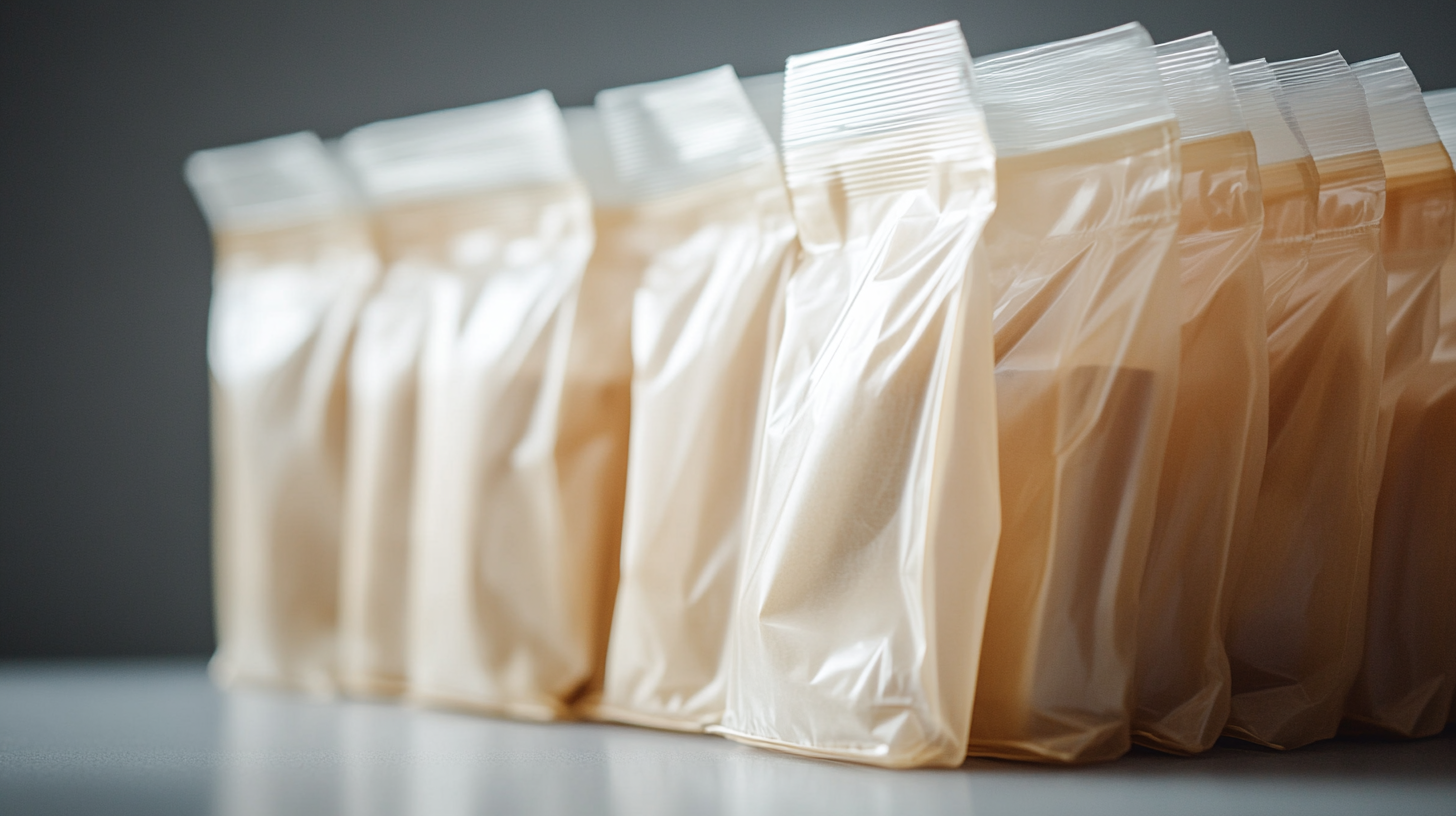
The shifting winds of sustainable existence are blowing across the packaging bag industry. Manufacturers are coming under increased pressure to examine the materials and methods used in production as consumers turn their attention to products that claim eco-friendliness. According to a new report by Grand View Research, the global biodegradable packaging market value is estimated to reach $14.7 billion by 2027, growing at a compound annual growth rate (CAGR) of 15.0%. This trend represents timely interventions required to provide packaging solutions with the least possible environmental footprint.
To catch up with this demand, corporations are investing in research and development to create market innovations in sustainable packaging bags. These include renewable materials such as plant-based plastics and recycled materials. For example, the European Bioplastics Association states that the production capacity of bioplastics is expected to rise to 2.43 million tons by the year 2024. These advancements are not limited to fostering the reduction of carbon footprints but also contributing to improving the recyclability and compostability of packaging bags.
Furthermore, sustainability is no longer simply a fad; it is fast becoming a matter of regulatory obligation. Governments across the globe are tightening regulations to minimize plastic waste and endorse greener alternatives. For example, with the Single-Use Plastics Directive, the European Union aims to ban certain single-use plastics, thereby pushing the packaging industry to make a turn toward sustainability. In conclusion, the pressure to align with a sustainable framework is molding the future of packaging bags, hence triggering innovation and setting new standards in the industry.
The market environment for packaging bags has changed considerably, en route to 2025. A different regional market dynamic presents its own set of opportunities and challenges. An important aspect driving such changes is demand for sustainable packaging, which is propelled by environmental concerns and regulatory pressures. The changeover to eco-friendly materials creates a chance for manufacturers to seize market opportunities, but also presents a challenge regarding adaptation to new sourcing and production practices in the process of time to meet consumer expectations for sustainability.
In addition, the introduction of trade agreements on the lines of RCEP has far-reaching implications for the packaging bags industry. Countries participating in this agreement are expected to experience a boom in trade, leading to an ever-increasing demand for packaging solutions, thereby benefiting local manufacturers. However, that agreement places difficulties as well, especially for some industries, which would find it hard to compete against any kind of imports, especially in price-sensitive markets. In evaluating their strategies, the interlinkage between regional cooperation and external competition will remain a key variable governing the triumph of such businesses.
In conjunction with evolving consumer preferences and regulatory landscapes, technological enhancements play an important role in shaping the future of packaging bags. Smart packaging and automated production methods could improve productivity and the allure of the product to a great extent, but at the same time, companies would face the challenge of integrating the technology into their existing infrastructures. Businesses will need to remain nimble and responsive to embrace opportunities for growth while simultaneously working through associated challenges as they tread these trends.
The global packaging industry is experiencing paradigm changes owing to the rapid shifts in consumer attitudes and the demand for new-age packaging solutions. The household care packaging market, come 2025, is predicted to surge forth with various materials such as plastics, paper, and cardboard, and metals. Each material type has its distinct properties that are responding to changing consumer demands such as sustainability and convenience.
Recent years have noted an increasing demand for environmentally friendly packaging. Consumers are giving sustainability more weight, forcing brands to turn to greener alternatives in their packaging methods. The eco-food-packaging sector is particularly interesting, with a projected market value of $199.7 billion by 2024; its rapid annual growth only goes on to show the extent to which the environment has found its way into consumer concerns and the whole packaging culture.
Moreover, with the development of e-commerce has come the need for protective packages and highly efficient methods of packaging. Since online shopping has become a way to consume retail, brands are expected to offer products that arrive in safe and secure packaging. This demand has created space for innovation in packaging materials and designs that facilitate customer experience while diminishing environmental impact. Understanding these trends is vital for the continuing success of the companies striving to emerge in the fiercely competitive market by 2025.
The profound transformations in the packaging sector occur due to technological advances and changing consumer preferences. Just liquid bag packaging is projected with an approximate value of $101 billion in 2023, with the market anticipated to grow at a rate of 5.1% by 2032. The clear liquid packaging market segment reflects the ever-increasing application of flexible materials such as plastics and layered structures for the secure transportation of liquid products. This emphasis on efficiency and safety of packaged liquid products indicates the role of technology in refining design and materials.
The properties associated with silicone packaging follow a similar path toward green alternatives. This market is valued at $2.17 billion in 2024 and will potentially grow at a CAGR of 5.4% from the years 2025 to 2034. The increase in demand is driven by customer preference for sustainable materials, thus encouraging manufacturers to modify their designs accordingly. The conversive nature of packaging toward sustainable means is a statement of the industry responsiveness to environmental issues, using technology to improve functionality and aesthetics.
Initiatives such as the International Printing and Packaging Expo to be held in Chengdu in 2025 thus present an opportunity to foster collaboration and innovation within the packaging sector. Industry stakeholders will come together to explore and share innovations, with their thoughts focused on adopting technological innovations to develop packaging solutions that are attuned to market demands and ecological challenges. The evolution of packaging bags is not simply about the protection of products but rather reaches out into the future where the processes of technologies and sustainable environments conjoin within the package's design.
The Packaging Bags Industry is predicted to flourish more in 2030 with compelling revolutions in terms of material, technique, and preference changes for the consumers. Sustainability is becoming an important part of business strategies; therefore, it can be expected that the need for green packaging will increase. This will be reflected in biodegradable and compostable bags, which will be visible in better distribution of an organization's products among consumers who tend to purchase according to environmental causes. Furthermore, this shift to greener materials will fulfill regulatory demands and increase brand loyalty among ecologically conscious customers.
Future trends will be further driven by technological advancements in packaging bags. Smart packaging with embedded RFID chips and QR codes will allow real-time monitoring and user interaction capability to product packaging. Such a technology will offer efficiencies in the supply chain and product authentication for just-what-the-consumer-wants transparency in an increasingly and highly critical environment. It can even be enhanced by the addition of augmented reality (AR) to make it more effective in creating user experiences.
The world's inventive e-commerce expansion, however, brings newer logistics requirements to the packaging bags industry. Lightweight but durable bags will be the eventual novelty, surviving shipping even while the carbon footprint is minimized. The ultimate new thing will be personalized packaging as every brand will seek an individualized identity in a hypercompetitive market. By the year 2030, packaging bags will convert from a carrier into an integral part of the marketing strategy, which develops the brand identity as well as meets the changing consumer expectation from a much-expanded range of roles.
The main factors include increasing demand for sustainable packaging solutions driven by environmental concerns, regulatory pressures, and evolving consumer preferences.
Trade agreements such as RCEP are expected to increase trade demand for packaging solutions, benefiting local producers, but may also pose challenges for industries facing competition from lower-priced imports.
Innovations like smart packaging and automated production processes are enhancing efficiency and product appeal, while also presenting challenges in integration into existing infrastructures.
Consumers are increasingly prioritizing sustainability and demand for eco-friendly packaging options, particularly in the food sector, which is expected to see substantial growth.
The rise of e-commerce necessitates more protective and effective packaging solutions to ensure products are safely delivered, leading to innovations in materials and designs that enhance customer experience.
The industry is expected to see a significant shift towards biodegradable and compostable bags, adoption of smart packaging technologies, and a rise in personalized packaging to enhance brand differentiation.
The eco-friendly food packaging sector is projected to reach a market value of $199.7 billion by 2024.
Technologies like RFID chips, QR codes, and augmented reality are enhancing consumer interaction by providing real-time tracking, detailed product information, and engaging brand experiences.
Packaging bags will serve as integral components of marketing strategies, enhancing brand identity and catering to evolving consumer expectations.


