Pet Food Packaging is seriously more important than you might think — it’s like the middleman between the companies making the food and us pet owners buying it. And let’s be honest, we’re all pretty picky when it comes to what we feed our furry friends, right? So, having packaging that’s not just functional but also clever and innovative really matters. In this article, I want to dig into the different types of pet food packaging out there — from the materials they’re made of to the design and features, all of which are tailored to suit both pets and their owners.
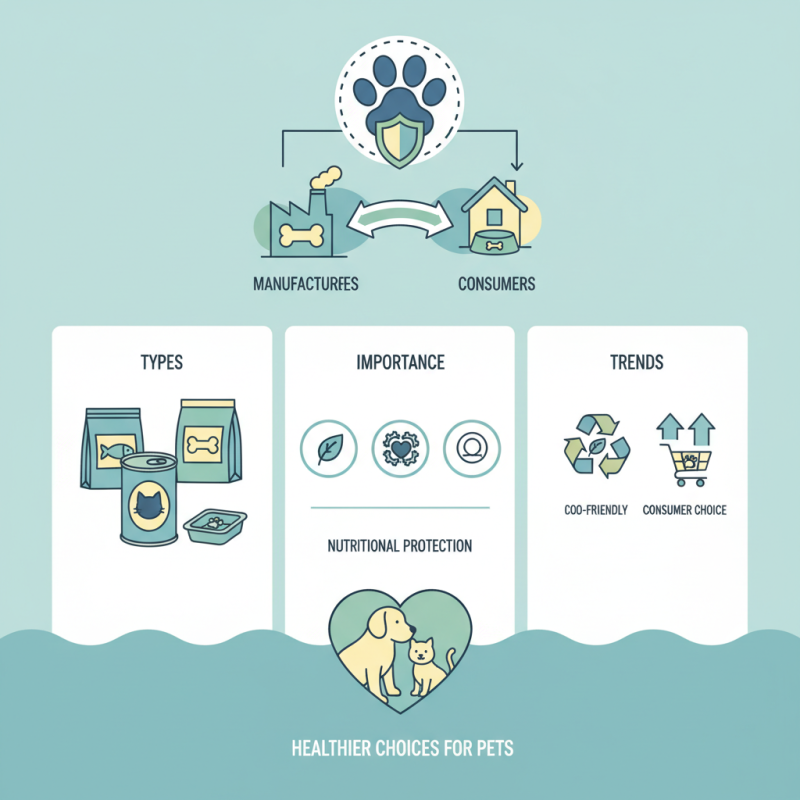
But, honestly, good pet food packaging isn’t just about looks. It’s about keeping the food fresh, protecting its nutrition, and also kinda representing the brand’s personality. We’ve got options like bags, cans, pouches — and each one can really sway what people decide to buy. Plus, with all the new tech, companies are now more into eco-friendly packaging, which is awesome because everyone’s more conscious about sustainability these days. Looking at all of this, it’s clear how much pet food packaging influences the whole scene and how it helps us make better, healthier choices for our pets — we love them, after all!
What is Pet Food Packaging? A Comprehensive Overview
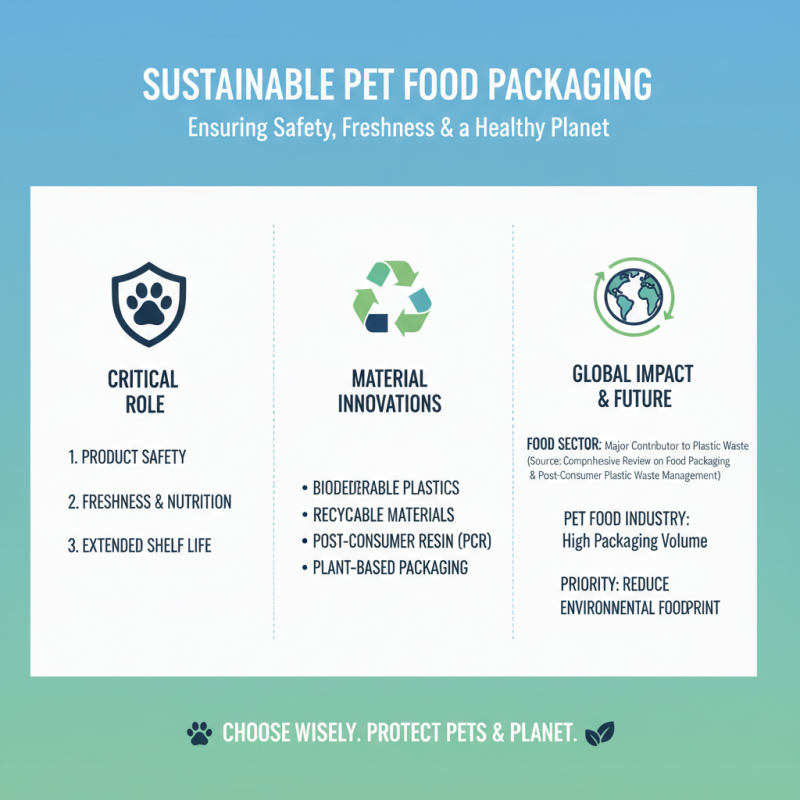
Pet food packaging plays a critical role in ensuring the safety, freshness, and nutritional value of pet food. The materials used in packaging, such as biodegradable plastics and recyclable materials, are increasingly being prioritized to reduce environmental impact. According to a comprehensive review on food packaging and post-consumer plastic waste management, the food and beverage sector is responsible for a significant portion of plastic waste. This emphasizes the importance of sustainable packaging solutions in the pet food industry, where a large amount of packaging is required to maintain product integrity.
Moreover, consumer demand for transparency and sustainability has intensified, leading brands to focus on ethical sourcing and high-quality ingredients. Reports suggest that pet owners are becoming more conscious of the implications of their purchases, with a growing preference for products that utilize organic and whole food ingredients. Companies that invest in sustainable packaging not only address environmental concerns but also cater to an evolving market that values health and ethical considerations in pet nutrition. Addressing both the functional and environmental aspects of pet food packaging is essential for companies aiming to thrive in this competitive landscape.
Types of Pet Food Packaging: Analyzing Different Materials and Designs
Pet food packagingplays a crucial role in maintaining the quality and safety of pet food. The choice of materials and designs not only affects the shelf life of the product but also impacts consumer convenience and environmental sustainability. Common materials for pet food Packaging Includeplastic, paper, and aluminum. Each material offers distinct advantages; for example, plastic is lightweight and offers excellent moisture resistance, while aluminum foil pouches provide superior barrier properties against light and oxygen, thus extending freshness.
Moreover, the design of pet food packaging is tailored to meet the needs of both pets and their owners. Innovations such as resealable bags and easy-pour spouts enhance usability, making feeding time simpler and less messy. Eco-friendly packaging options are gaining traction as pet owners increasingly prioritize sustainability, leading to the development of biodegradable materials and recyclable designs. Overall, understanding the various types of pet food packaging aids in selecting the right product for your pet while considering environmental impacts and convenience.
The Importance of Packaging in Preserving Pet Food Freshness
Packaging plays a critical role in preserving the freshness of pet food, ensuring that the nutrients and flavors remain intact for an extended period. As the global pet food packaging market is projected to reach a value of $11.38 billion in 2024, with expectations to grow to $12.05 billion by 2025 and further to $18.48 billion by 2032, it is evident that the industry is evolving to meet the rising demands from pet owners who prioritize quality and safety in their pet's diet.
The fresh food packaging market, which has surpassed $95.5 billion in 2023, is expected to grow at a compound annual growth rate (CAGR) of approximately 6.5% from 2024 to 2032. This growth is largely driven by consumer awareness regarding food safety and quality. Innovations in packaging materials, such as functional films, are particularly important as they help in maintaining the integrity of pet food while also providing convenience for consumers. Companies within this space are increasingly focused on creating materials that not only extend shelf life but also are eco-friendly, further appealing to the environmentally conscious pet owners.
How Packaging Impacts Nutritional Value and Safety of Pet Food
Packaging plays a crucial role in ensuring the nutritional value and safety of pet food. As the global pet food packaging market is projected to grow significantly, reaching an estimated value of $11.38 billion in 2024, the importance of packaging cannot be overstated. The materials and designs used in pet food packaging can directly impact the preservation of nutrients and the overall quality of the food. For instance, advanced technologies in packaging, such as vacuum sealing and the use of aluminum films, help to extend shelf life and protect food from external contaminants.
Additionally, recent regulations emphasize the accuracy of labeling and the prohibition of misleading claims such as "zero additives." This shift aims to standardize food safety and quality, ensuring that pet owners can trust the products they purchase. With growing consumer awareness regarding pet nutrition, manufacturers are increasingly focused on developing packaging solutions that not only maintain safety and freshness but also clearly communicate ingredient integrity. As pet owners seek personalized and high-quality food options for their pets, the significance of effective packaging continues to rise in the industry.
What is Pet Food Packaging? Understanding Its Types and Importance for Your Pet
| Packaging Type | Material | Nutritional Protection | Safety Features | Sustainability Aspect |
| Flexible Pouches | Plastic, Foil | Good | Resealable options | Recyclable options |
| Cans | Metal | Excellent | Tamper-proof seals | Fully recyclable |
| Boxes | Cardboard | Moderate | Safety locks | Biodegradable options |
| Bulk Bags | Woven polypropylene | Fair | Strong closures | Limited recyclability |
| Glass Jars | Glass | Excellent | Reusable seals | Recyclable |
Eco-Friendly Trends in Pet Food Packaging: Sustainability Matters
Eco-friendly trends in pet food packaging are increasingly gaining traction as pet owners become more environmentally conscious. As the demand for sustainable packaging grows, manufacturers are exploring innovative materials that not only keep pet food fresh but also reduce environmental impact. Biodegradable bags, recyclable containers, and alternative materials like plant-based plastics are now being utilized, ensuring that pet food packaging is aligned with eco-friendly practices.
When considering eco-friendly options for your pet’s food, it’s essential to look for certifications or labels that indicate sustainability. Additionally, you can minimize waste by purchasing in bulk or choosing brands that prioritize refillable packaging.
Tips: Always check if the packaging is compostable or made from recycled materials. Supporting brands that focus on sustainable production not only helps the environment but also encourages industry-wide change. Consider switching to products that use minimal packaging, as this often reflects a commitment to sustainability. By making conscious decisions, you can contribute to a healthier planet for your furry friends.
Consumer Preferences: What Pet Owners Look for in Packaging
When it comes to pet food packaging, consumer preferences play a pivotal role in shaping the market. A study published by the Pet Food Manufacturers Association indicates that approximately 65% of pet owners prioritize packaging that offers convenience and ease of use. Features such as resealable bags and easy-to-pour pouches are increasingly favored, as they not only preserve pet food freshness but also enhance user experience. In fact, 48%% of respondents noted that packaging influences their purchase decisions, showcasing a significant trend towards usability in product design.
Furthermore, sustainability has emerged as a critical factor for modern pet owners. According to a survey by Euromonitor International, over 50%% of pet owners are willing to pay a premium for eco-friendly packaging options. Biodegradable materials and recyclable designs are becoming more common, as consumers seek to align their purchasing choices with their environmental values. This shift reflects a broader awareness of sustainability issues within the pet food industry, encouraging manufacturers to innovate and meet the changing expectations of conscientious pet owners.
Regulatory Standards and Labeling Requirements for Pet Food Packaging
Pet food packaging is governed by a complex set of regulatory standards that aim to ensure safety and transparency for consumers. Recent discussions highlight notable developments, such as the potential rescinding of organic pet food standards by the USDA, which may negatively impact the integrity and perception of organic labeling. Additionally, the Association of American Feed Control Officials (AAFCO) is pushing for enhanced labeling regulations, receiving support from state agricultural leaders. These changes reflect an ongoing commitment to consumer protection and product safety in a market projected to exceed $120 billion in value.
As pet owners become more discerning about their pets' nutrition, labeling transparency is paramount. The proposed front-of-package nutrition labeling by the FDA seeks to provide an easily interpretable overview of ingredients and nutritional content, catering to the needs of busy consumers. Adhering to new labeling standards will be crucial for brands aiming to maintain trust and compliance.
**Tips:** Ensure that your pet food packaging clearly displays all essential information, including ingredient sourcing and nutritional value. Regularly check updates on regulations from credible industry organizations to ensure compliance with the latest standards. Engaging in transparent marketing and education can also bolster consumer trust and loyalty in a competitive market.
Market Trends and Innovations: Analyzing the Rise of Eco-Friendly 1L, 2L, 3L Liquid Detergent Doypack Packaging Solutions
The shift towards eco-friendly packaging solutions is becoming increasingly significant in today’s market, especially in the liquid detergent industry. With consumers becoming more environmentally conscious, the rise of 1L, 2L, and 3L liquid detergent doypack packaging has emerged as a pivotal innovation. These flexible pouches not only reduce the carbon footprint associated with traditional packaging but also use less plastic material, thereby addressing the growing concern over plastic waste.
The advantages of using doypack packaging extend beyond sustainability; they also offer convenience and efficiency for consumers. Available in various sizes, 1L, 2L, and 3L packages are ideal for different household needs, allowing users to choose the size that best fits their lifestyles. Furthermore, the lightweight design of doypacks helps lower transportation costs and energy consumption during shipping, aligning with sustainable logistics practices. Brands that embrace these packaging solutions are not only responding to consumer demand but also paving the way for a more responsible industry.
In addition to meeting eco-friendly standards, innovations in doypack design enhance user experience through features like resealable tops and spout options for easy pouring. This focus on functionality, paired with sustainable practices, represents a new trend where convenience and environmental responsibility coexist, making such products highly appealing in a world increasingly focused on sustainability. As the market continues to evolve, the adoption of eco-friendly liquid detergent doypacks will likely play a crucial role in shaping consumer preferences and industry standards.
FAQS
: Common materials for pet food packaging include plastic, paper, and aluminum. Each material has its benefits, such as plastic being lightweight and moisture-resistant, while aluminum provides superior barrier properties against light and oxygen.
The design of pet food packaging is created to enhance usability for both pets and their owners. Features like resealable bags and easy-pour spouts make feeding simpler and less messy.
Yes, eco-friendly packaging options are becoming increasingly popular among pet owners. These include biodegradable materials and recyclable designs that reduce environmental impact.
Pet food packaging is regulated by a set of standards aimed at ensuring safety and transparency. Notable discussions include the potential rescinding of organic standards by the USDA and new labeling requirements proposed by AAFCO and the FDA.
Labeling transparency is vital as pet owners are becoming more selective about their pets' nutrition. Clear labeling helps consumers understand ingredients and nutritional content, enhancing trust in the product.
Brands can maintain compliance by ensuring their packaging displays essential information like ingredient sourcing and nutritional value, and by regularly checking updates from industry organizations regarding regulatory changes.
The pet food market is projected to exceed $120 billion in value, indicating significant commercial interests and the importance of safety and regulatory compliance.
Recent developments include the potential changes to organic labeling by the USDA and discussions on enhanced labeling regulations from AAFCO, aimed at improving consumer protection.
The choice of packaging materials directly affects the shelf life; for example, aluminum foil pouches offer superior protection against light and oxygen, helping to keep pet food fresh for longer.
Tips include ensuring clarity in displaying essential information, checking for compliance with the latest regulatory standards, and prioritizing packaging that meets both convenience and sustainability needs.
Conclusion
Pet Food Packaging plays a crucial role in maintaining the quality and safety of pet food, ensuring that it remains fresh and nutritious for our beloved animals. Understanding the various types of packaging, from aluminum to vacuum bags, helps pet owners make informed choices. Not only does the material impact the food's preservation, but it also affects its nutritional value and safety. As sustainability becomes increasingly important, eco-friendly packaging trends are emerging, reflecting consumer preferences for both functionality and environmental responsibility. Additionally, adherence to regulatory standards and proper labeling ensures that pet food packaging meets safety requirements, ultimately benefiting pet owners and their pets alike.
At ESD-PAC VINA COMPANY, we are dedicated to providing high-quality packaging solutions, including aluminum films and bags, that cater to the specific needs of pet food manufacturers, supporting the critical aspects of preservation and safety in Pet Food Packaging.