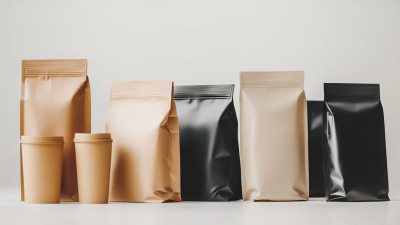
These days, when we talk about supply chains, one thing’s clear: integrating sustainable practices is more important than ever. And honestly, Industrial Packaging is playing a huge role in this shift. As companies look for ways to cut down their environmental footprint, innovative packaging options are becoming a real game-changer. Take ESD-PAC VINA, for example. Launched back in March 2018, they’ve made a name for themselves by producing high-quality aluminum films, anti-static films, aluminum bags, anti-static bags, and vacuum bags. They’ve got two modern factories sprawling over 12,000 square meters, all dedicated to providing eco-friendly packaging solutions that aren’t just about functionality but also about helping us be more sustainable. More and more, businesses are realizing how important it is to adopt eco-conscious practices, and in turn, Industrial Packaging is becoming a key player in reshaping supply chains and pushing us toward a greener future.
The Impact of Industrial Packaging on Supply Chain Efficiency
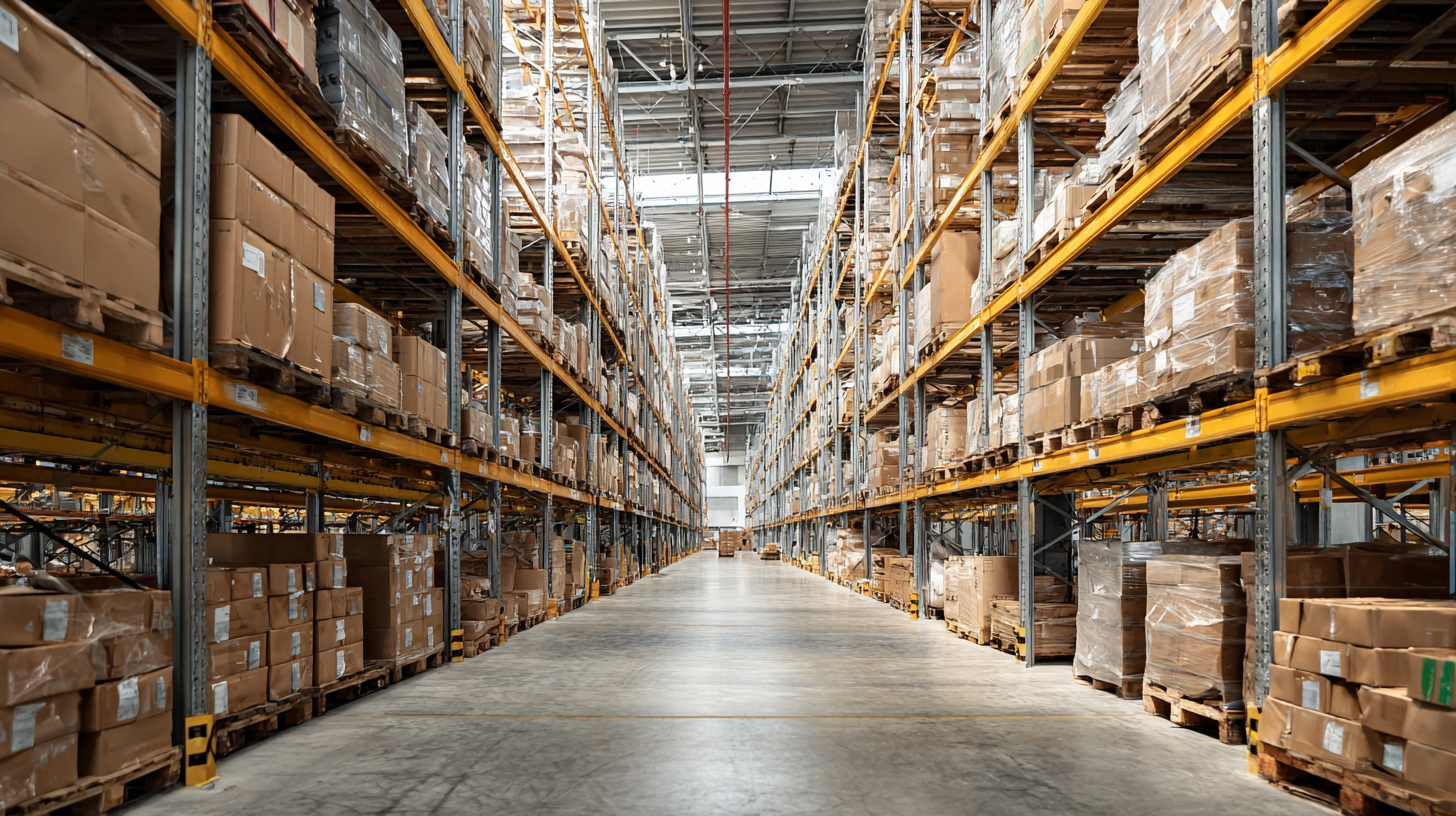
Industrial packaging really matters when it comes to making supply chains run smoother — I mean, industry reports actually show that better packaging solutions can cut logistics costs by up to 30%. It’s pretty wild how much of a difference smart packaging can make, right? A study from the Packaging Association also points out that optimizing packaging not only cuts down on waste but at the same time makes better use of space, which directly helps with transportation costs and storage. By switching to more advanced packaging designs, companies can cut their carbon footprint significantly and even speed up their logistics processes.
And it doesn’t stop there. Using more sustainable packaging methods has been shown to really protect products better — like, about 25% fewer damages during transit, according to a recent report from the Global Packaging Market Research. That means products get to customers in top shape, which obviously makes folks happier and more likely to keep coming back. As businesses look for ways to streamline their supply chains, investing in innovative industrial packaging isn’t just a smart move for operations — it’s also a strategic thing that lines up with their sustainability goals. It’s a win-win, really.
Adopting Eco-Friendly Materials in Industrial Packaging
You know, these days, more and more companies are realizing just how important it is to switch to eco-friendly materials for their packaging. I mean, according to this recent report I came across from Smithers Pira, the global market for sustainable packaging is 预计要达到大约4030亿美元到2027年,这主要是因为消费者们越来越多地在寻找环保的产品。 Businesses are starting to see that using biodegradable or recyclable packaging isn’t just good for the planet — it also helps build stronger loyalty among eco-conscious customers. Honestly, it’s a smart move.
And on top of that, switching to sustainable packaging can really cut down on waste across the supply chain. There's this study from the Global Packaging Alliance that shows eco-friendly packaging can cut material use by up to 30%, which means saving a ton of money and resources. Big companies like Unilever and Procter & Gamble are really stepping up, aiming to have all their packaging be 100% recyclable or reusable by 2025. It’s not just about keeping up with trends or ticking boxes, though — it’s about meeting regulatory demands and doing our part to reduce plastic waste. Honestly, adopting eco-friendly materials in industrial packaging isn’t just a fad anymore — it’s a must if businesses want to stay competitive and succeed in this ever-changing market.
Innovative Packaging Solutions for Reducing Waste
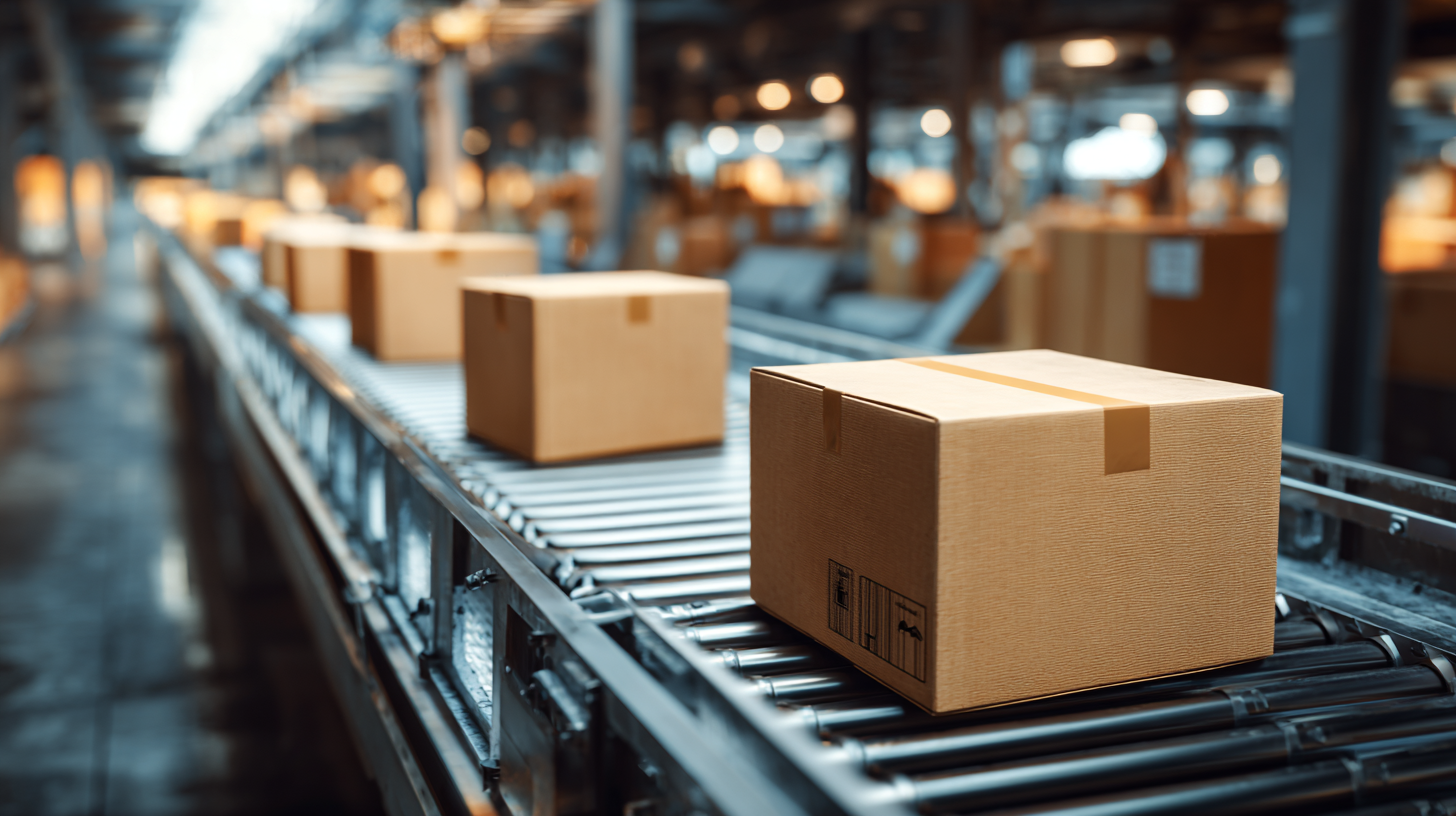
You know, the world of packaging is changing pretty quickly these days, especially in the industrial side of things. More and more, companies are coming up with innovative solutions that aren’t just about cutting down waste, but also helping make the supply chain run smoother. Take regenerative plastic packaging, for example—it's expected to see some serious growth, with estimates showing around a 10% annual increase from 2024 to 2032. A big reason behind this is that consumers are really starting to care more about eco-friendly packaging options.
And it’s not just regenerative plastics making waves. The market for packaging made from renewable materials is also booming. By 2034, experts say this sector could be worth over $189 billion — that's a huge shift toward environmentally friendly choices. Companies are pouring resources into technologies that hit sustainability targets but also help keep products fresh and shipping efficient.
**A quick tip:** It’s a good idea to regularly check your packaging processes and materials. Also, look for suppliers who really prioritize sustainability—they can make a real difference. Going for innovative packaging isn’t just good for the planet, but it can also boost your brand’s reputation, especially among customers who really care about green practices.
Innovative Packaging Solutions for Reducing Waste
This chart illustrates the impact of various innovative packaging solutions on waste reduction in supply chains. The data reflects the percentage reduction in waste achieved through these solutions.
Integrating Technology in Packaging for Sustainable Supply Chains
You know, integrating tech into packaging has really become a game-changer when it comes to building more sustainable supply chains. Things like smarter materials and solutions—think RFID tags or biodegradable wraps—not only make things more efficient but also cut down on environmental harm. When businesses can track their products in real-time, it’s easier to reduce waste and manage resources better. This kind of innovation means companies can choose greener packaging options, aligning their operations with eco-friendly practices.
Oh, and here’s a tip—consider investing in smart packaging that gives you insights into how your products are doing throughout their lifecycle. It’s pretty handy for making smarter decisions about materials and logistics, which ends up being way more sustainable.
On top of that, automating some of the packaging processes really helps streamline things and cuts energy use. Techniques like predictive analytics can fine-tune inventory levels, so you’re not wasting resources. These tech upgrades don’t just lower your carbon footprint—they also boost productivity overall.
Another thing worth mentioning—partnering up with tech providers who specialize in sustainable packaging can really make a difference. Their expertise can help you adopt innovative practices that support a more eco-friendly supply chain.
Collaboration Between Stakeholders in Enhancing Packaging Practices
You know, teamwork among all the folks involved really makes a huge difference when it comes to improving packaging in the supply chain. Manufacturers, suppliers, retailers, and even consumers need to come together, sharing ideas, breakthroughs, and best practices for greener, more sustainable packaging options. When everyone keeps the lines of communication open and works on joint projects, it’s easier to find common goals—ones that not only help the environment but also make business stuff run smoother. For example, if packaging designers team up with material suppliers, they might discover biodegradable or recyclable materials that still perform well, helping to cut down on ecological harm.
And honestly, collaboration is crucial if we're serious about setting proper standards and guidelines for eco-friendly packaging across different industries. Industry groups and regulators can help create partnerships that set clear benchmarks for things like packaging lifespan, resource use, and waste management. This shared approach is so important because it encourages everyone in the supply chain to start adopting more responsible packaging habits. In the end, working together allows everyone to share their skills and resources, leading to innovative packaging ideas that are more sustainable and meet the growing consumer demand for environmentally friendly products.
Measuring the Sustainability Impact of Industrial Packaging Initiatives
Figuring out how sustainable industrial packaging really makes a difference is more important than ever these days, especially since everyone’s so conscious about the environment. To get a good handle on this, companies should look at both numbers and stories. For example, they can measure things like how much they've cut back on carbon emissions, waste, and material use thanks to smarter packaging. Using data analytics, they can keep tabs on these numbers over time, showing how their efforts are paying off and making a real difference.
But it’s not just about the numbers—hearing the stories behind the data matters too. Talking to stakeholders and customers helps paint a fuller picture of the social and economic perks that come with sustainable packaging. For instance, involving folks in these initiatives can boost brand loyalty and build trust with consumers. Plus, paying attention to what customers say can give companies a better idea of how their sustainability efforts are really perceived. By mixing both hard data and personal feedback, businesses can create a well-rounded view that not only measures the environmental impact but also reveals the wider benefits to society and the economy. It really underscores how industrial packaging plays a key role in making supply chains more sustainable overall.
FAQS
: The growth is primarily driven by increasing consumer demand for packaging solutions that align with sustainable practices, with a projected CAGR of around 10% from 2024 to 2032.
The renewable material packaging market is anticipated to surpass $189 billion by 2034, indicating a significant shift towards environmentally friendly packaging options.
Innovative packaging solutions can reduce waste, enhance supply chain efficiency, improve product preservation, and bolster a brand's reputation among environmentally conscious consumers.
Collaboration among manufacturers, suppliers, retailers, and consumers helps share insights and innovations, enabling the identification of common goals to address environmental concerns and improve operational efficiency.
These entities facilitate partnerships, establish comprehensive standards and guidelines, and develop benchmarks for packaging life cycles, resource usage, and waste management to promote sustainable practices across industries.
Companies should regularly assess their packaging materials and processes, focusing on suppliers that prioritize sustainability and are committed to innovative packaging solutions.
Conclusion
Industrial packaging really plays a big part in making supply chains run smoother by improving how we transport and store goods. When companies switch to eco-friendly materials and get creative with their packaging, they can cut down on waste and shrink their environmental impact. It’s also pretty cool how using new tech in packaging helps us keep better track of resources, pushing us further toward sustainability.
Getting everyone involved — suppliers, manufacturers, everyone — is super important if we're serious about improving packaging and making sustainability a real priority. And to see how well these efforts are working, businesses can use different metrics to measure their impact, which helps create a more open and responsible supply chain. At ESD-PAC VINA, we’re all about producing top-notch aluminum and anti-static packaging solutions that fit right into these eco-friendly practices. That’s how we’re standing out as leaders in the industrial packaging game.