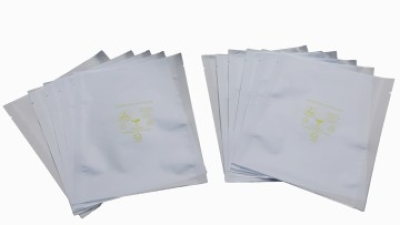
Lately, there's been a big surge in focus around sustainability worldwide, and that's really kicking off a ton of interest in eco-friendly materials — especially when it comes to Package Bags. If you’ve read the latest report from Smithers Pira, you’ll know that the global market for sustainable packaging is projected to hit around $500 billion by 2027. That growth is mainly fueled by consumers who are super eager to buy products that are better for the environment. 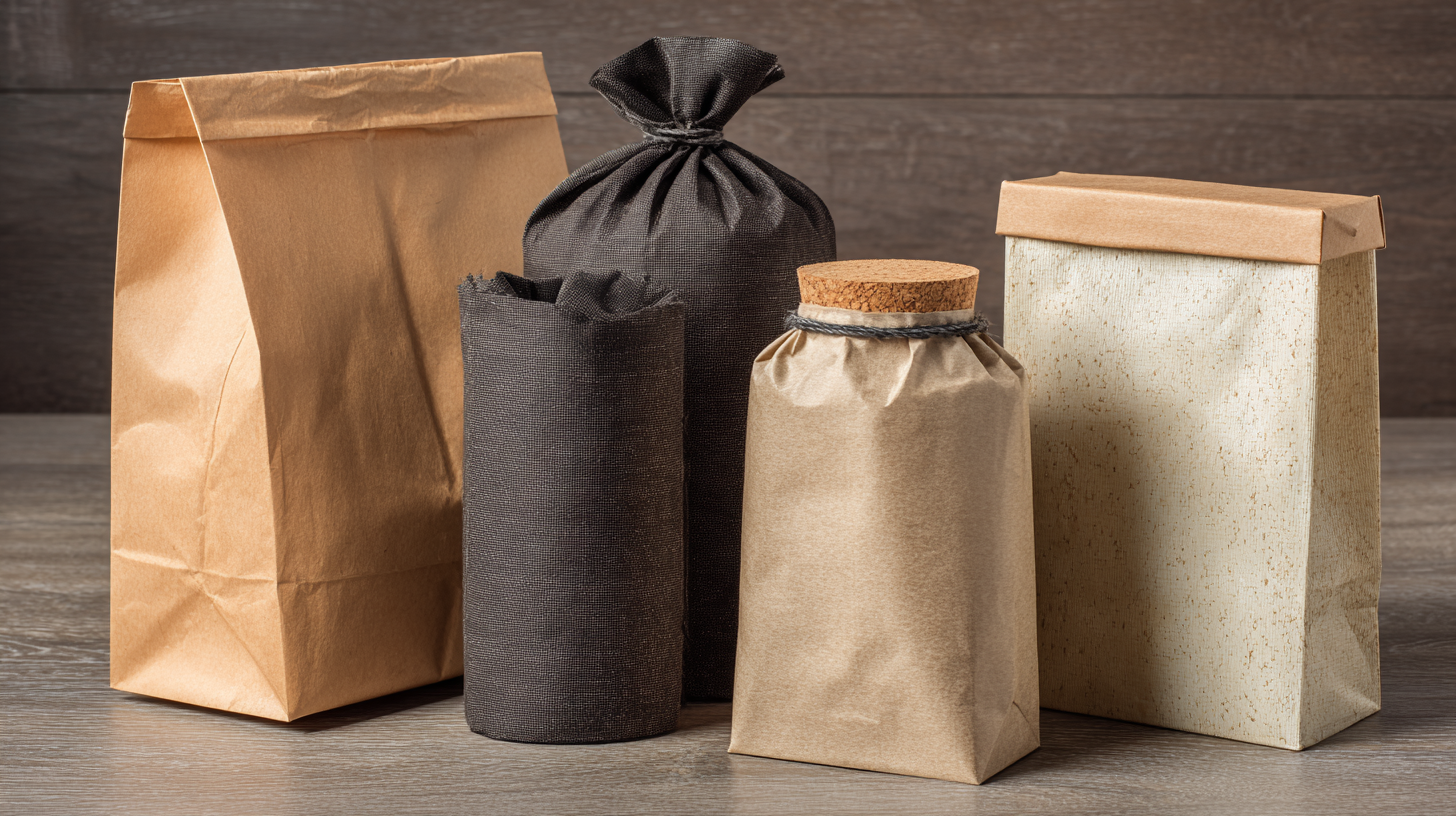 Package Bags, which make up a pretty large chunk of this market, are changing fast. Brands are scrambling to reduce their environmental impact, all while trying to meet new rules and what customers are expecting nowadays.
Dr. Emily Carter, an expert in packaging sustainability at GreenPack Solutions, really drives the point home: “The future of Package Bags depends on how well we can use renewable materials and create systems that keep waste to a minimum.” As companies move away from traditional plastics and lean more towards biodegradable and recyclable stuff, we're seeing cool new options pop up — like plant-based polymers and paper alternatives. Checking out these trends not only shows us what consumers want but also gives businesses the insights they need to stay ahead in this fast-changing market.
All in all, diving into this stuff is pretty essential for the folks involved in the industry. It helps them align their strategies with sustainability goals and opens up some seriously lucrative opportunities in the world of Package Bags.
Innovative Eco-Friendly Materials for Sustainable Package Bags
The shift towards sustainability in packaging has led to the emergence of innovative eco-friendly materials designed to minimize environmental impact. Among these advancements, bioplastics made from natural sources, such as cornstarch and sugarcane, have gained significant traction. These materials are biodegradable, reducing landfill waste and ensuring that package bags break down more naturally in the environment. Additionally, mushroom-based packaging is becoming popular, leveraging agricultural waste and mycelium to create durable, compostable bags that appeal to environmentally conscious consumers.
Recycled materials are also making a mark in the Packaging Industry. For instance,Post-Consumer Recycled (PCR) plastics are being repurposed into new bag products, effectively closing the loop in the product lifecycle. This approach not only conserves resources but also decreases greenhouse gas emissions associated with new plastic production. Furthermore, advancements in paper-based packaging, such as treated kraft paper that offers water and grease resistance, provide an excellent alternative for traditional plastic bags. These innovative materials reflect a growing market trend towards sustainable practices, driven by consumer demand and regulatory pressures for greener packaging solutions.
The Role of Consumer Awareness in Shaping Market Trends
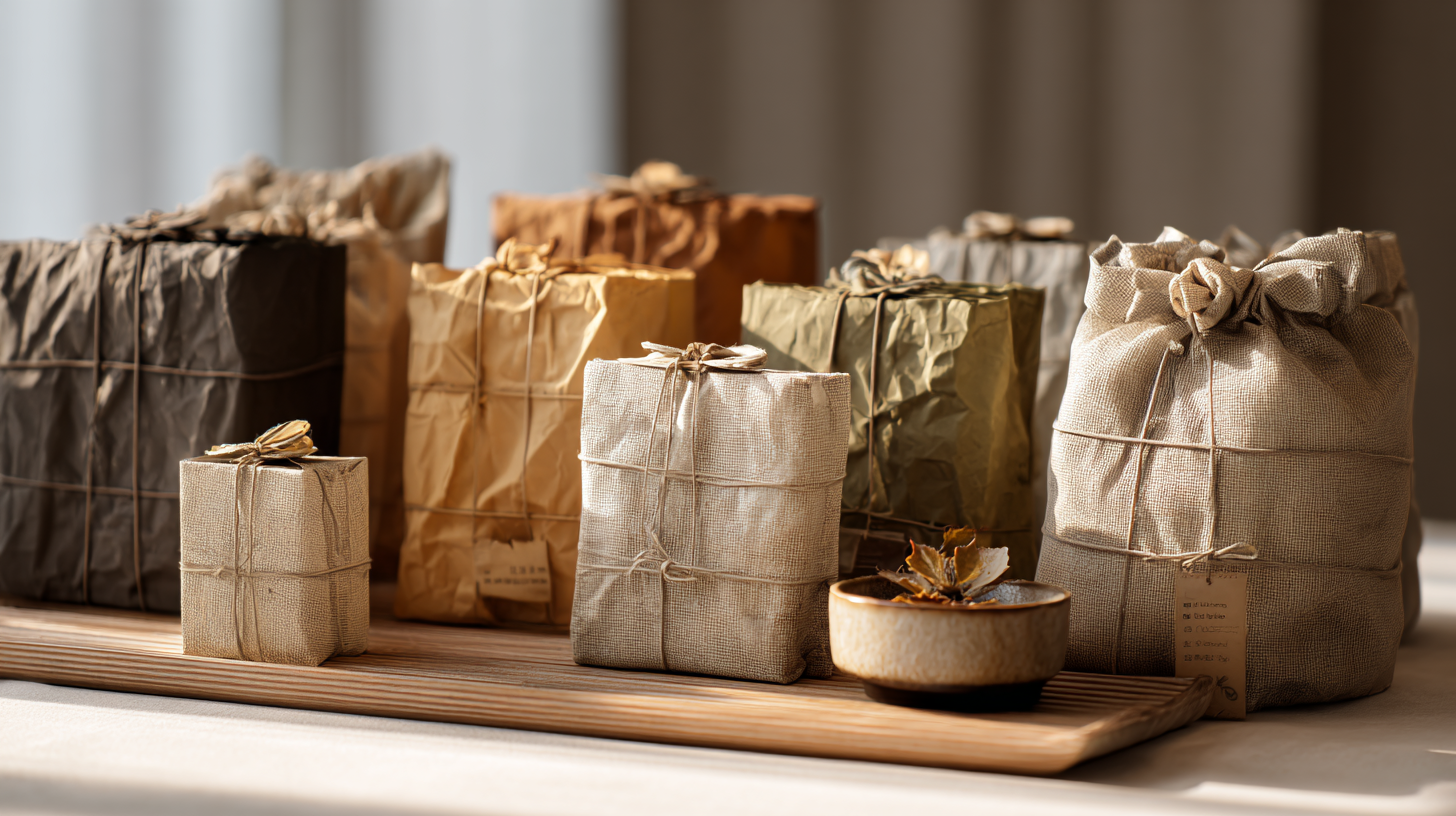 Consumer awareness is rapidly becoming a crucial factor shaping market trends, especially in sectors focused on sustainability, such as eco-friendly packaging. As environmental concerns continue to rise, consumers are becoming increasingly knowledgeable about the products they purchase. Recent reports indicate that the recycled plastics marketin Vietnam is set for significant growth, driven by heightened environmental awareness and government initiatives promoting sustainable practices. This shift highlights how informed consumers are opting for brands that prioritize sustainability, influencing businesses to adopt eco-friendly materials in Their Packaging solutions.
Additionally, the beauty and personal care sector is witnessing a clear shift as digital platforms amplify consumer voices. The thriving global wellness market has become a battleground for brands, with millennials and Generation Z leading the charge towards sustainable choices. In 2025, the demand for personal care products featuring natural ingredients is anticipated to soar, with hyaluronic acid products projected to reach USD 8.34 billion by 2034. This upward trend underlines how consumer preference for quality assurance and eco-conscious products is shaping brand strategies, pushing companies to innovate and adapt their offerings to meet the evolving expectations of environmentally aware shoppers.
Comparative Analysis of Biodegradable vs. Traditional Packaging
The growing awareness of environmental issues has intensified the debate between biodegradable and traditional packaging materials. Traditional packaging, often made from plastics, presents significant challenges due to its long decomposition periods and harmful impacts on ecosystems. In contrast, biodegradable packaging is designed to break down more quickly and integrate back into the environment. This eco-friendly option often utilizes materials such as plant-based polymers, which not only reduce reliance on fossil fuels but also minimize waste accumulation in landfills.
A comparative analysis of these two types of packaging reveals notable market trends. Increasing consumer preference for sustainable products has prompted many companies to shift towards biodegradable options, reflecting a broader commitment to environmental responsibility. This trend is catalyzing innovation in the packaging industry, leading to the development of new materials that offer similar durability and functionality as traditional packaging, while also being more environmentally benign. However, the level of consumer awareness and regulatory support for biodegradable materials continues to shape their market adoption, highlighting an essential area for future growth and improvement in sustainability practices.
Impact of Government Regulations on Packaging Sustainability Practices
Government regulations play a pivotal role in shaping sustainable packaging practices, particularly in the context of biodegradable materials. As awareness of environmental issues grows, the shift towards eco-friendly packaging has become essential. Biodegradable plastics, designed to decompose through microbial action, offer a promising alternative to conventional plastics. These innovative materials are increasingly being recognized for their ability to break down into natural substances like water and carbon dioxide, reducing the persistence of waste in landfills and oceans.
In the United States, recent delays in FDA compliance deadlines have provided brands with extra time to adjust. This has inadvertently encouraged food giants to invest in technologies like RFID for better traceability and sustainability in their packaging processes. As regulations around packaging waste become more stringent, companies are increasingly compelled to adopt sustainable materials and practices. The emergence of stringent European Union regulations, such as the Packaging and Packaging Waste Regulation, further underscores the global trend towards responsible packaging solutions, driving the market for biodegradable and recyclable materials.
Future Trends in Package Bag Design and Material Use
As the global market for package bags is projected to experience significant growth, reaching $37.45 billion by 2032, the emphasis on eco-friendly materials and innovative designs becomes increasingly important. The evolving landscape of package bag design is witnessing a shift towards sustainability, driven by consumer demands for environmentally responsible products. Designers are incorporating biodegradable materials, recycled fabrics, and organic options into their creations, aiming to reduce the ecological footprint associated with traditional packaging.
Moreover, advancements in technology, such as 3D printing, are revolutionizing the production process. This allows for more cost-effective manufacturing without compromising on design quality. As one can envision, the future of package bag design will not only embrace sustainable materials but also leverage innovative production methods, empowering consumers to participate in the creation of their own unique fashion statements. Trends emerging from fashion weeks and design showcases underline a collective push toward a greener future, reshaping the fashion economy into a realm where sustainability and style coexist harmoniously.
Case Studies: Successful Brands Leading in Eco-Friendly Packaging
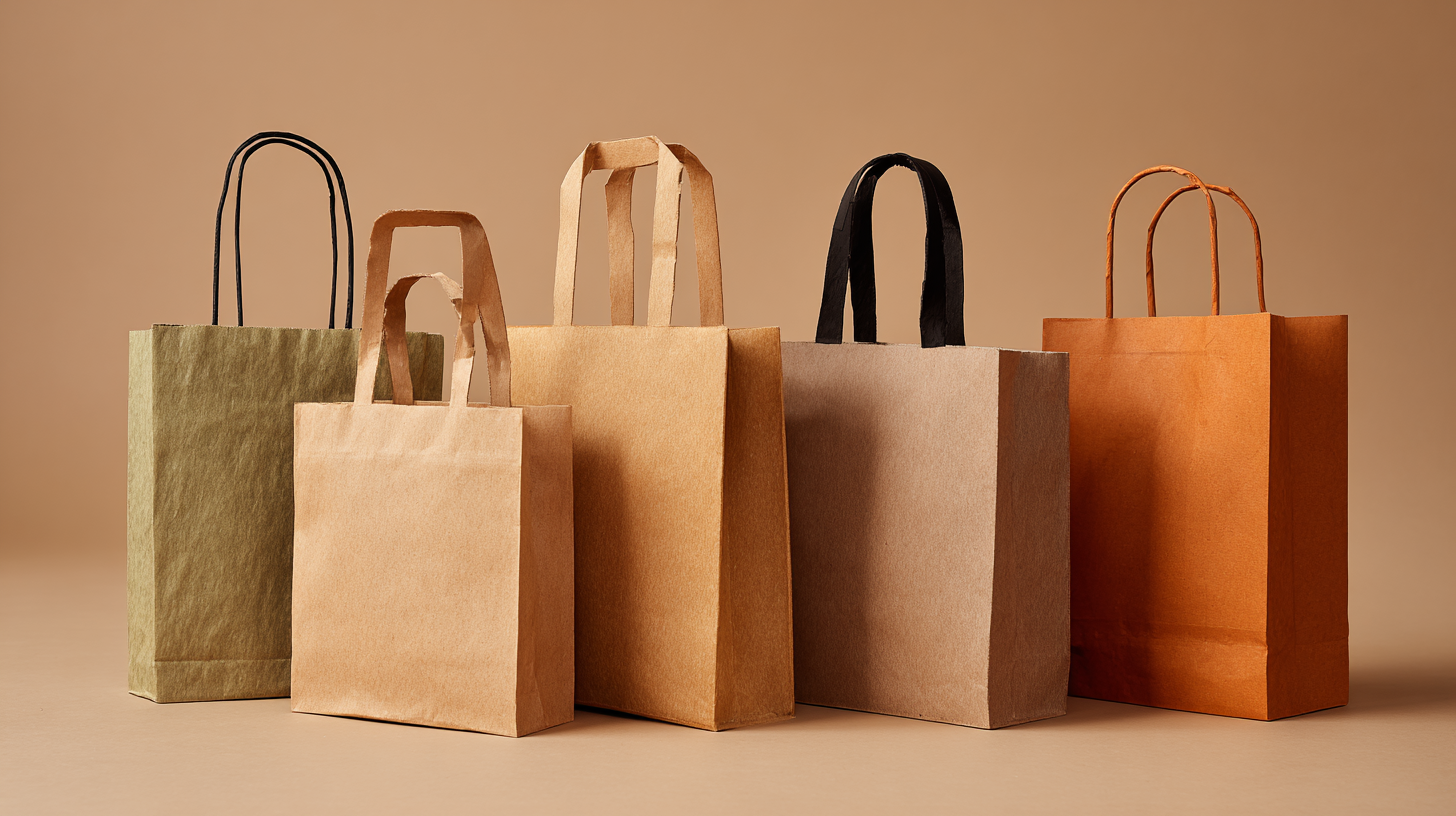
As the demand for eco-friendly packaging grows, several brands are leading the charge in sustainability. For example, Unilever has made significant strides by incorporating recycled materials into their packaging and committing to reducing plastic waste. Their "Sustainable Living" initiative not only focuses on environmentally-friendly materials but also emphasizes improving the entire supply chain, showcasing a comprehensive approach to sustainability.
Another noteworthy example is Coca-Cola, which has introduced its "World Without Waste" campaign, aiming to collect and recycle a bottle or can for every one sold by 2030. This initiative highlights how large corporations can pivot toward sustainability while still meeting consumer needs, effectively balancing market demands with environmental responsibility.
**Tips for Brands:** Consider starting small by integrating post-consumer recycled materials into your packaging design. Engage consumers in your sustainability journey through transparent communication about your materials and processes. Collaborate with suppliers who prioritize eco-friendly practices to strengthen your overall sustainability strategy.
The Essential Guide to Using Translucent Custom Printed ESD Safe Bags for Protecting Electronic Components
Translucent custom printed ESD safe bags are an essential tool for protecting sensitive electronic components from electrostatic discharge (ESD). These bags are specifically designed with a three-layer construction that includes static dissipative polyethylene on the inside, aluminum in the middle, and static dissipative polyester on the outside. This unique composition not only offers heavy-duty protection but also creates an effective barrier against the damaging effects of ESD. The inner and outer layers are engineered to prevent tribocharging, which means that static electricity build-up is minimized, ensuring that your electronic devices remain safe during storage or transportation.
The metalized layer acts like a Faraday cage, providing an extra line of defense for ESD-sensitive materials. By utilizing these bags, manufacturers and technicians can ensure that their critical electronics are housed in a safe environment that mitigates the risk of static-related failures. With custom printing options available, these bags also allow businesses to enhance their branding while maintaining the highest standards of protection for their electronic components. This combination of functionality and customization makes translucent ESD safe bags a vital asset in today's electronics industry.
FAQS
: Consumer awareness is rapidly becoming a crucial factor shaping market trends, especially in sectors focused on sustainability.
Heightened environmental awareness and government initiatives are driving significant growth in the recycled plastics market in Vietnam.
Millennials and Generation Z are leading the charge towards sustainable choices in the beauty and personal care sector.
The demand for personal care products featuring natural ingredients is anticipated to soar, with specific projections indicating hyaluronic acid products reaching USD 8.34 billion by 2034.
Traditional packaging, often made from plastics, presents challenges due to long decomposition periods and harmful impacts on ecosystems.
Biodegradable packaging materials break down more quickly, utilize plant-based polymers, reduce reliance on fossil fuels, and minimize waste accumulation in landfills.
Many companies are shifting towards biodegradable packaging options to reflect their commitment to environmental responsibility and to meet consumer preferences.
The level of consumer awareness and regulatory support significantly shapes the market adoption of biodegradable materials, indicating an area for future growth and improvement in sustainability practices.
Conclusion
The article "Exploring the Sustainability of Package Bags: A Dive into Eco-Friendly Materials and Market Trends" delves into the innovative eco-friendly materials that are revolutionizing the packaging industry. It highlights the importance of consumer awareness in shaping market trends toward sustainable practices and provides a comparative analysis between biodegradable and traditional packaging options. Additionally, the impact of government regulations on the sustainability of packaging practices is explored, alongside future trends in package bag design that prioritize environmental considerations. Case studies of successful brands underscore the effectiveness of adopting eco-friendly packaging solutions.
At ESD-PAC VINA COMPANY, founded in 2018, we recognize the shift towards sustainable packaging. As a leading manufacturer of various bag types, including aluminum bags and anti-static options, we are committed to integrating eco-friendly practices into our production processes, aligning with the growing demand for sustainable package bags in the market.